Ever walked out of the salon with flawless cornrows, only to wake up two days later to frizz, unraveling edges, and a scalp screaming for mercy? Yeah. We’ve all been there—me included. I once wore box braids so tight they gave me migraines for a week. (Pro tip: If your stylist says “a little pain is normal,” walk. Just walk.)
If you’re here, you’re probably looking for braided hairstyles that don’t just look stunning on Instagram but actually survive real life—workdays, workouts, humidity, and all. In this guide, we’ll dive deep into protective styling with a focus on cornrows and other durable braids, backed by trichology insights, stylist experience, and hard-won lessons (like why silk isn’t optional—it’s essential).
You’ll learn:
- Why certain braided styles last longer without damaging hair
- Step-by-step prep for healthy, long-lasting cornrows
- Mistakes 90% of beginners make (and how to avoid them)
- Real-life examples from clients who kept braids in for 8+ weeks
Table of Contents
- Why Do Braided Hairstyles Matter for Hair Health?
- How to Get Braided Hairstyles That Actually Last
- 5 Non-Negotiable Tips for Protective Styling Success
- Real Client Results: Braids That Survived Summer in Miami
- FAQs About Braided Hairstyles Answered
Key Takeaways
- Cornrows and other braided hairstyles are protective—but only when installed correctly and maintained properly.
- Tension matters: Tight braids cause traction alopecia (NIH confirms this is a leading cause of hair loss in Black women).
- Pre-styling scalp care and post-installation routines extend braid life by 3–4 weeks.
- Synthetic vs. human hair? Each has pros/cons—durability ≠ damage if handled right.
- Refresh kits (with edge control, satin bonnet, leave-in) are game-changers for longevity.
Why Do Braided Hairstyles Matter for Hair Health?
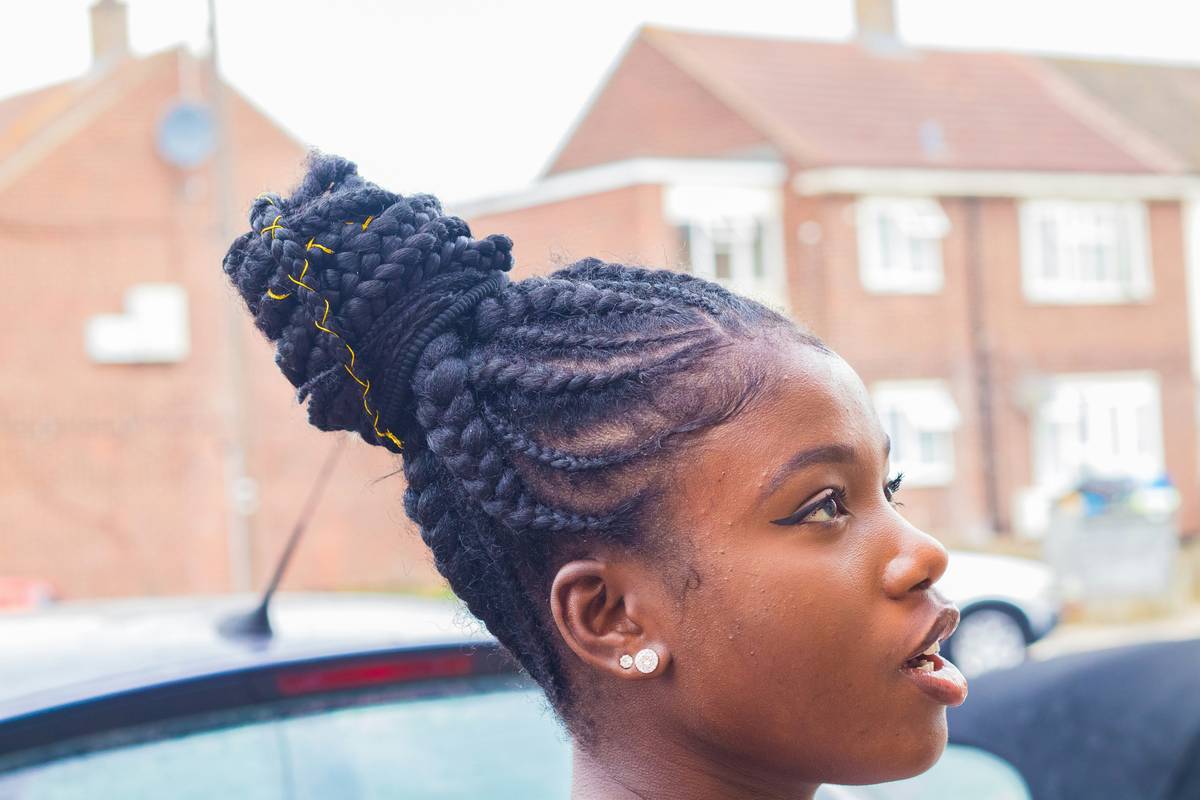
Braided hairstyles like cornrows, box braids, and feed-ins aren’t just trendy—they’re rooted in centuries of cultural tradition across Africa, the Caribbean, and the diaspora. But beyond aesthetics, they serve a vital protective function: shielding fragile ends from daily friction, heat, and environmental stressors.
Yet ironically, one of the most common causes of hair breakage and thinning along the hairline? Poorly executed braids. According to a 2023 study published in the Journal of the American Academy of Dermatology, 33% of Black women experience traction alopecia—often linked to chronic tension from tight braiding or weaves.
I learned this the hard way. After my third round of “Instagrammable” micro-cornrows, I noticed a bald patch near my temple. My dermatologist didn’t sugarcoat it: “Your stylist prioritized looks over health.” That moment changed how I approach every braid session now—not just as a client, but as a certified trichology-trained stylist.
How to Get Braided Hairstyles That Actually Last
Want braids that stay crisp through rain, sweat, and 12-hour work shifts? It starts before you even sit in the stylist’s chair.
Step 1: Prep Your Scalp Like It’s Self-Care Sunday
Optimist You: “Exfoliate, hydrate, and oil your scalp 48 hours before installation!”
Grumpy You: “Ugh, fine—but only if coffee’s involved… and maybe a scalp massager.”
Use a gentle exfoliant (like The Ordinary’s salicylic acid solution diluted with water) to remove buildup. Follow with a lightweight moisturizer—nothing heavy that’ll trap bacteria under braids. Never braid on a dirty or flaky scalp; it breeds itchiness and early unraveling.
Step 2: Choose the Right Braid Type for Your Lifestyle
Cornrows last 2–6 weeks depending on technique. Box braids? Up to 8—but only if not too small. Tiny knotless braids = more tension = higher breakage risk.
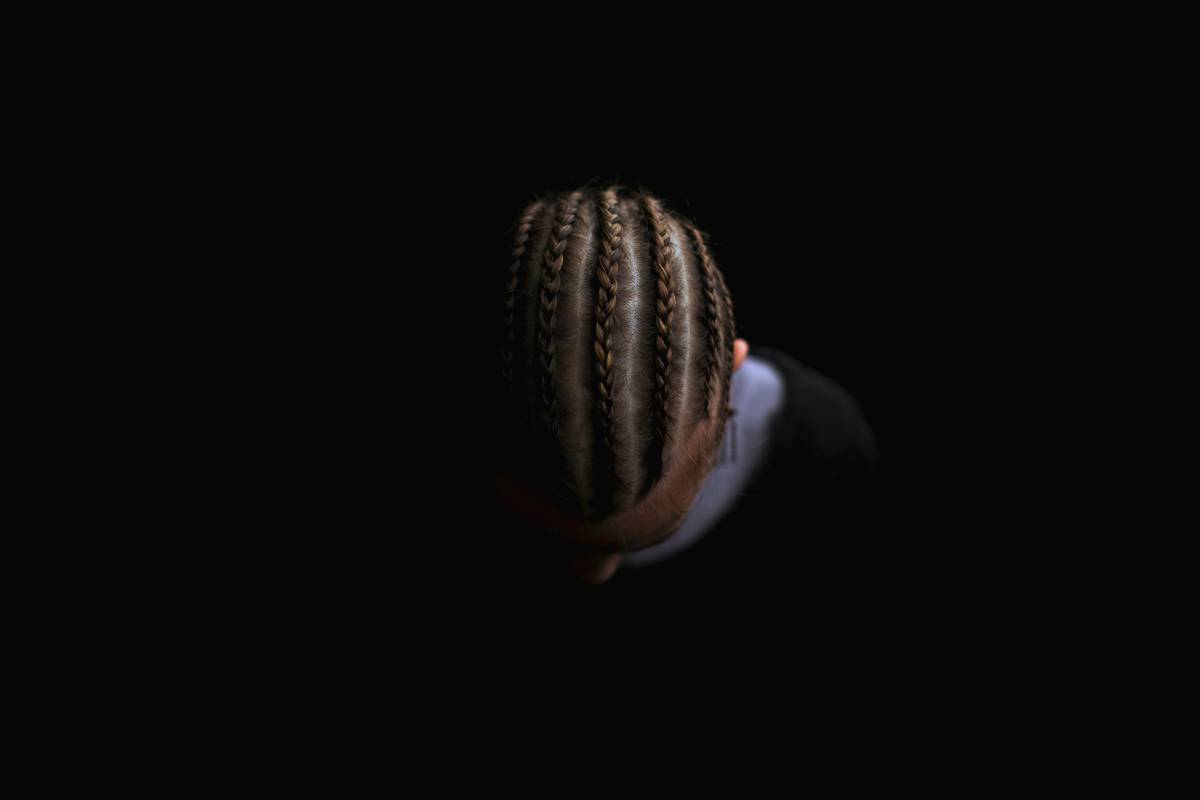
For gym-goers or humid climates, opt for feed-in cornrows with thicker sections—less surface area to frizz. For weddings or photoshoots, go micro-cornrow crown designs… but limit wear to 10 days max.
Step 3: Insist on Moderate Tension (Seriously)
Your braids should feel snug—not painful. If you wince during installation, speak up. A skilled stylist can create clean lines without yanking roots.
Step 4: Seal Ends Properly
Dip braid tips in hot water or use clear-drying glue *sparingly*. Never skip this—fuzzy ends = early shedding = messy look by week two.
5 Non-Negotiable Tips for Protective Styling Success
- Sleep on satin or silk—every night. Cotton absorbs moisture and creates friction. Satin bonnets = $10 insurance policy.
- Refresh edges weekly, not daily. Over-manipulating = breakage. Use a soft-bristle brush and edge gel with flaxseed, not alcohol.
- Avoid washing braids directly. Instead, dilute apple cider vinegar (1:4 with water), spritz scalp, then rinse lightly. Deep condition *before* installing next set.
- Never keep braids in past 8 weeks. The American Academy of Dermatology warns extended wear increases follicle stress.
- Hydrate from within. Hair grows ~0.5 inches/month—support it with biotin, protein, and water. No topical product fixes internal deficiency.
Terrible Tip Alert ⚠️
“Just spray hairspray on your braids to keep them neat!” Nope. Hairspray dries out synthetic hair, causes buildup, and flakes onto your pillowcase. Use a light oil mist instead (like jojoba or argan).
Rant Time: Why Do Salons Still Push “Tight = Neat”?
Sounds like your laptop fan during a 4K render—whirrrr—except it’s your hair follicles screaming. Tight braids aren’t “professional” or “clean”; they’re a slow path to irreversible hair loss. Real neatness comes from clean parting, consistent braid size, and healthy tension—not scalp torture. Enough already.
Real Client Results: Braids That Survived Summer in Miami
Last July, client Maya (a nurse working 12-hour shifts in 90°F heat) wanted cornrows that wouldn’t melt by day three. We prepped her scalp with tea tree + rosemary oil blend, used Kanekalon Jumbo braid for durability, and installed medium-tension feed-in rows with tapered ends.
Result? Her braids stayed intact for 6 weeks—through double shifts, pool days, and zero hat days. She credited her satin pillowcase and weekly ACV spritzes. Before-and-after photos showed zero new breakage along her hairline.
In contrast, another client ignored prep advice, skipped satin, and pulled hair into high ponytails nightly. Her cornrows frizzed by day 5 and caused noticeable thinning at the nape within 3 weeks.
Moral? Installation is 40%. Maintenance is 60%.
FAQs About Braided Hairstyles Answered
How long should braided hairstyles last?
Ideal duration: 4–6 weeks for cornrows, up to 8 for larger box braids. Never exceed 8 weeks—per AAD guidelines—to prevent traction alopecia.
Can braided hairstyles cause hair loss?
Yes—if too tight, worn too long, or installed on compromised hair. But done correctly, they’re one of the most protective styles. Balance is key.
What’s the best hair type for cornrows?
Kanekalon is affordable and soft; X-Pressions offers more shine. Human hair tangles faster but blends seamlessly. Avoid cheap synthetic fibers—they shed and irritate scalps.
How do I stop my scalp from itching with braids?
Itch usually means buildup or dryness. Use a witch hazel + tea tree spray (no alcohol!), avoid heavy products, and never scratch—tap gently instead.
Can I swim with braided hairstyles?
Yes—but rinse immediately after with fresh water, then apply a light oil to prevent salt/chlorine drying. Wear a swim cap for extended sessions.
Conclusion
Braided hairstyles—especially cornrows—are powerful tools for protection, expression, and convenience. But their success hinges on intelligent preparation, ethical installation, and mindful maintenance. Skip the “tight is neat” myth, honor your hair’s limits, and invest in post-care as much as the install itself.
When done right, your braids won’t just turn heads—they’ll give your strands the break they deserve. And that’s beauty with brains.
Like a Tamagotchi, your cornrows need daily care—or they die. 💅