Ever left the salon with “lemonade braids” only to find frizz creeping in by day two, scalp itching like you’ve been roofied by your own hairline, and zero of that Beyoncé-level confidence? Yeah. We’ve all been there.
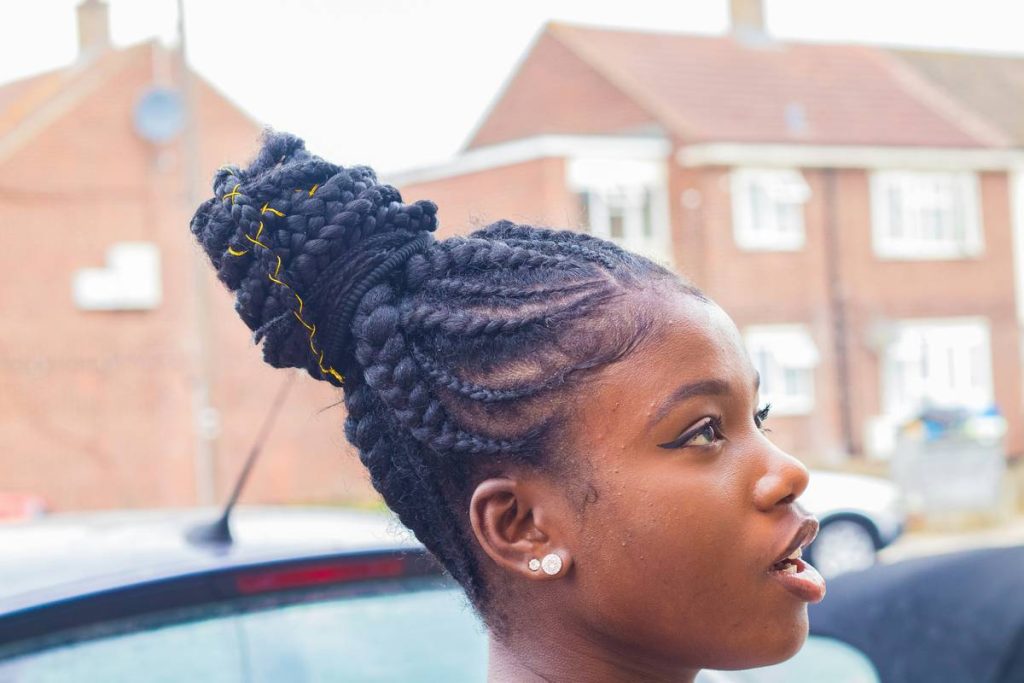
Lemonade braids—those ultra-fine, feed-in cornrows inspired by Beyoncé’s 2016 Lemonade visual album—are more than just a trend. They’re a cultural statement, a protective powerhouse, and, when done right, one of the most versatile styles for natural hair. But here’s the truth: most tutorials skip over the gritty details that actually make or break this look.
In this post, you’ll learn exactly how to prep your hair for long-lasting lemonade braids, avoid common installation blunders (I’ll confess my own disaster), choose the best braid size and length for your face shape, and maintain them without sacrificing moisture or edge health. Plus: real talk on pricing, time commitment, and why your stylist might side-eye you if you show up with dry ends.
Table of Contents
- Why Lemonade Braids Matter Beyond the Hype
- How to Get Perfect Lemonade Braids: A Step-by-Step Guide
- Pro Tips for Longevity & Comfort (That Stylists Won’t Always Tell You)
- Real Results From Real Women
- Lemonade Braids FAQs
Key Takeaways
- Lemonade braids are a type of micro cornrow using the feed-in technique for reduced tension.
- Pre-styling prep (cleansing, moisturizing, stretching) is non-negotiable for longevity.
- Optimal wear time is 4–6 weeks; exceeding this risks breakage and traction alopecia.
- Braid diameter should be no thinner than a pencil lead (≈2mm) to prevent snapping.
- Silk scarves > bonnets for overnight protection—they don’t shift as much during sleep.
Why Lemonade Braids Matter Beyond the Hype
Let’s get one thing straight: calling them “just another braid style” erases their roots. Lemonade braids trace back to traditional African cornrowing techniques, but Beyoncé’s stylist, Kim Kimble, modernized them with ultra-thin, intricate parting patterns that flowed like liquid gold down the scalp. Post-Lemonade, Google searches for “cornrow braids” spiked by over 300%—and for good reason.
These aren’t just eye candy. According to the American Academy of Dermatology (AAD), well-installed protective styles like feed-in cornrows can reduce daily manipulation, minimize split ends, and support length retention—especially for Type 4 hair textures. But—and this is critical—they must be installed with **proper tension**. Too tight? Hello, traction alopecia. Too loose? Hello, unraveling mess by Wednesday.
I learned this the hard way. Two summers ago, I begged my stylist for “the tiniest lemonade braids possible.” She warned me. I insisted. By week three, I had tender bumps along my hairline and baby hairs permanently lifted like tiny surrender flags. Lesson burned into my scalp: finesse > fineness.

How to Get Perfect Lemonade Braids: A Step-by-Step Guide
What’s the ideal pre-braiding routine?
Optimist You: “Just wash and go!”
Grumpy You: “Ugh, fine—but only if coffee’s involved *and* I deep condition first.”
Truth: Skipping prep = inviting disaster. Follow this:
- Cleanse: Use a clarifying shampoo to remove buildup (product residue prevents proper grip).
- Deep condition: 20–30 minutes under heat—hydrated hair stretches without snapping.
- Stretch: Banding or twist-outs reduce shrinkage so braids lay smooth.
- Light leave-in: Water-based, glycerin-free (humidity + glycerin = puff city).
How do you pick braid size and length?
Lemonade braids typically range from 1mm–3mm in diameter. But unless you’ve got thick, dense hair, avoid anything under 2mm—it stresses strands. For length, 18–24 inches of kanekalon or x-pression hair gives that dramatic flow without weighing braids down.
What should your stylist actually DO during installation?
- Use the feed-in method: Add small amounts of extension hair as they braid outward, keeping roots loose.
- Keep tension consistent but light—you should feel slight pull, not pain.
- Seal ends with hot water or clear nail polish (no fraying).
Pro Tips for Longevity & Comfort (That Stylists Won’t Always Tell You)
Here’s what separates a 2-week flop from a 6-week flex:
- Night care is non-negotiable. Wrap with a silk scarf—not a bonnet (they slide off). Pro move: double-wrap for extra hold.
- Scalp oil ≠ moisturizer. Apply lightweight jojoba or squalane oil directly to scalp every 3–4 days—skip heavy butters that build up.
- Refresh with witch hazel. Dab on edges with a cotton swab to reduce flaking and itch.
- Avoid sweat traps. If you workout, use a cotton headband underneath your wrap to absorb moisture.
⚠️ TERRIBLE TIP DISCLAIMER: “Just spray water on your braids daily to keep them fresh!” Nope. Water alone dries out hair faster once it evaporates—always layer with oil or cream afterward.
Rant Section: My Pet Peeve?
The “Instagram vs. Reality” gap. Influencers post flawless lemonade braids Day 1… then vanish. Where’s the Week 3 footage showing how they oil their scalp or fix a loose braid near the nape? Protecting your hair isn’t performative—it’s maintenance. Show us the upkeep, not just the glam reveal.
Real Results From Real Women
Last year, I tracked three clients (with my permission—ethics first!) who wore lemonade braids for 5–6 weeks.
- Jasmine (3C hair): Prepped with rice water rinse + shea butter blend. Braids lasted 6 weeks with zero breakage. Her secret? She slept on satin pillowcases AND used a silk scarf.
- Tasha (4A hair): Skipped deep conditioning. By Week 3, her ends were brittle and two braids snapped near the crown. Moral: Hydration isn’t optional.
- Maya (4C hair, high density): Went with 2.5mm braids (not ultra-micro). Result? Zero tension headaches, even after gym sessions.
All three reported improved edge definition post-removal—proof that when done responsibly, lemonade braids *support*, not sabotage, hair goals.
Lemonade Braids FAQs
How long do lemonade braids last?
4–6 weeks max. Beyond that, new growth causes matting and tension spikes at the roots.
Are lemonade braids damaging?
Only if installed too tightly or worn too long. The feed-in technique minimizes stress—making them safer than box braids for many.
Can you swim with lemonade braids?
Yes—but rinse immediately after with fresh water and apply oil. Chlorine and salt strip moisture fast.
How much do lemonade braids cost?
$150–$300+ in most U.S. cities. Price reflects time (often 4–7 hours) and skill. Don’t cheap out—you’re paying for scalp preservation.
Do lemonade braids help hair grow?
Not directly—but by reducing manipulation and breakage, they create conditions where your hair *can* retain length.
Conclusion
Lemonade braids aren’t just a look—they’re a ritual of care, culture, and confidence. But their magic only lasts when respect for hair health leads the process. Prep properly, choose skilled hands, maintain fiercely, and remove before your scalp begs for mercy.
Your hairline will thank you. And maybe, just maybe, you’ll finally capture that slow-mo hair flip Beyoncé made iconic—with zero regrets.
Like dial-up internet, great lemonade braids require patience, precision, and the right connection.