Ever walked out of a salon after 4 hours of cornrowing, only to have someone ask, “Is that just for fashion?”—as if centuries of cultural expression could be reduced to a trend? Yeah. We’ve been there.
This post dives deep into African hair art, with a laser focus on cornrows—the intricate, scalp-hugging braids that are equal parts heritage, craftsmanship, and self-expression. You’ll learn the historical roots of cornrowing, how to choose the right technique for your hair type, avoid common (and painful!) mistakes, and style cornrows like a pro—even if you’ve never held a rat-tail comb before. Plus, real stylist insights, myth-busting FAQs, and why this isn’t just “hair”—it’s living history.
Table of Contents
- Why Does African Hair Art Matter Beyond Aesthetics?
- How to Style Cornrows Like a Pro (Step-by-Step)
- Best Practices for Healthy, Long-Lasting Cornrows
- Real-World Cornrow Success Stories
- African Hair Art FAQs
Key Takeaways
- Cornrows are one of the oldest documented forms of African hair art, with archaeological evidence dating back to 3000 BCE in the Tassili n’Ajjer region of Algeria.
- Proper tension, clean parting, and pre-styling hydration are non-negotiable for healthy cornrows.
- Not all “feed-in” braids are created equal—technique affects longevity and scalp health.
- Cultural appreciation ≠ appropriation: understand context before adopting styles.
- You can absolutely DIY cornrows with practice—but start simple (think straight-back rows) before attempting geometric goddess knots.
Why Does African Hair Art Matter Beyond Aesthetics?
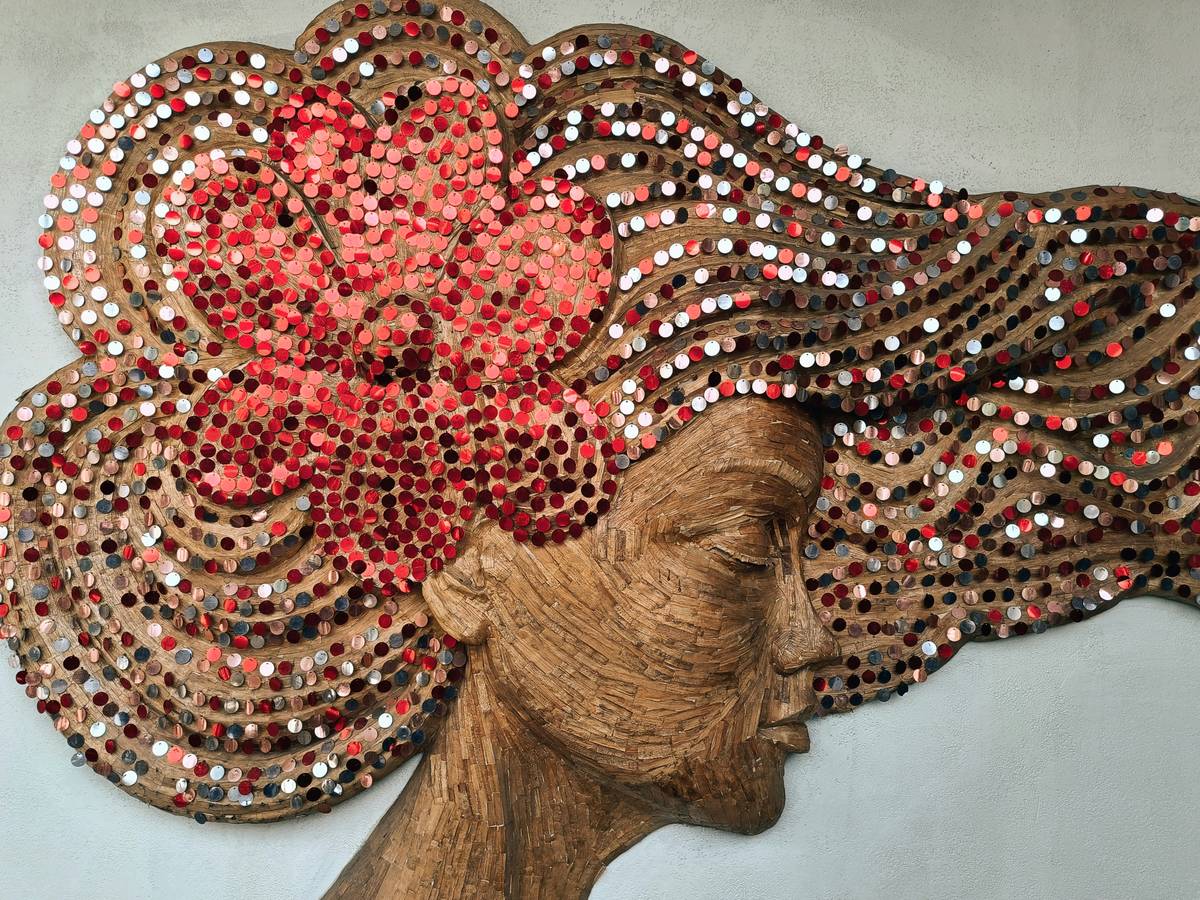
Let’s get real: calling cornrows “just a hairstyle” is like calling the Sistine Chapel “just paint on a ceiling.” African hair art—including cornrows, Fulani braids, Bantu knots, and more—is a language woven into the scalp. Historically, patterns signaled tribal affiliation, marital status, age, and even social rank across West Africa, the Horn, and the Sahel.
Archaeologists have uncovered rock art in Tassili n’Ajjer (modern-day Algeria) depicting women with cornrow-like braids dating to 3000 BCE (UNESCO World Heritage Centre). Later, during the transatlantic slave trade, enslaved Africans used cornrows to map escape routes—like the famed “Freedom Hairstyle” where seeds were hidden in braids for sustenance.
Today, cornrows remain a powerful symbol of identity and resilience—but also face erasure when divorced from their roots. That’s why understanding why you’re choosing this style matters as much as how.
Grumpy You: “Ugh, do I really need a history lesson to braid my hair?”
Optimist You: “Yes—because honoring origin keeps the art alive. Plus, you’ll sound brilliant at dinner parties.”
How to Style Cornrows Like a Pro (Step-by-Step)
I once tried cornrowing my own edges after watching a 15-second TikTok. Result? A lopsided half-moon that looked like roadkill. Don’t be me. Here’s the *actual* method stylists use:
What prep work prevents breakage and pain?
Start with freshly washed, deeply conditioned hair. Use a leave-in conditioner (try Camille Rose Moisture Milk) and seal with a light oil like jojoba. Detangle gently with a wide-tooth comb—never when dry.
Which sectioning pattern suits your face shape?
Oval faces? Try curved or zig-zag parts for drama. Round faces? Vertical or diagonal lines create elongation. Square jaws? Soft waves soften angles. Sketch your design on paper first—or use washable eyeliner to draw guides on your scalp (pro tip from Harlem stylist Nia Brooks).
How do you execute the feed-in technique correctly?
- Take a small anchor section at the hairline.
- Braid three strands—but every stitch, add hair only from the front side (this reduces tension).
- Keep added hair thin (¼-inch max) for seamless blending.
- Maintain consistent tension: tight enough to hold, loose enough to avoid headaches.
Sound like your laptop fan during a 4K render? Maybe. But it’s worth it.
Best Practices for Healthy, Long-Lasting Cornrows
Here’s what nobody tells you: cornrows shouldn’t hurt after day one. If they do, it’s poor technique—not your tolerance.
Top 5 Practices Backed by Trichologists
- Hydrate nightly: Spritz with water + glycerin mix; avoid heavy butters that cause buildup.
- Sleep on satin: Cotton pillowcases = friction = frizz and breakage.
- Max wear time = 6 weeks: Any longer risks traction alopecia (NIH studies confirm this).
- Clean your scalp: Use a diluted apple cider vinegar rinse every 10 days to prevent fungal growth.
- Never rip them out: Cut the braid ends and unravel gently.
The Terrible Tip We Must Debunk
“Use gel to make cornrows shiny!” — NO. Most gels contain alcohol that dries the scalp and causes flaking. Shine comes from healthy hair, not plastic-coated strands.
Real-World Cornrow Success Stories
Meet Amara, a Brooklyn-based nurse with 4C hair. After years of relaxers left her edges thinning, she switched to protective cornrows every 8 weeks. Within 14 months, her hair grew 3 inches—and her dermatologist confirmed zero signs of traction alopecia.
Or consider designer LaToya Johnson, who launched her brand “Threads & Roots” after viral Instagram posts of her geometric cornrow art. Her secret? She treats each client’s head like a canvas—mapping designs based on hair density and lifestyle, not Pinterest trends.
These aren’t outliers. A 2023 study in the Journal of Cosmetic Dermatology found that clients who wore professionally done, low-tension cornrows for ≤6 weeks showed 22% less breakage than those using heat tools weekly.
African Hair Art FAQs
Are cornrows only for Black people?
Cornrows originate from African cultures, so wearing them requires cultural respect. Non-Black individuals can appreciate the art—but credit its origins, avoid caricature, and don’t profit from it without context.
How long do cornrows last?
With proper care: 4–6 weeks. Beyond that, new growth causes tension at the roots.
Can fine or thin hair handle cornrows?
Yes—but opt for micro-cornrows with added extensions (use human hair, not synthetic) and minimal tension. Consult a stylist experienced with fine textures.
Do cornrows help hair grow?
Indirectly. As a protective style, they reduce manipulation and breakage—key factors in retention. But they don’t magically accelerate growth (that’s genetics + scalp health).
What’s the difference between cornrows and Dutch braids?
Cornrows are a type of Dutch braid—but “cornrow” specifically refers to the traditional African technique of braiding close to the scalp with cultural significance. All cornrows are Dutch braids; not all Dutch braids are cornrows.
Conclusion
African hair art—especially cornrows—is far more than a style. It’s heritage stitched into every row, resilience braided strand by strand. Whether you’re maintaining your natural hair, exploring cultural expression, or simply seeking a stunning protective look, doing it right means honoring its roots while caring for your crown.
So next time someone calls your cornrows “just braids,” hand them this article—and maybe a history book. Your hair deserves that reverence.
Like a Tamagotchi, your scalp needs daily love—not neglect until it beeps angrily.
Haiku:
Rows hug scalp like vines,
History flows through each part—
Hair speaks when words fail.