Ever walked out of a braid appointment feeling like your scalp’s screaming protest—only to find your edges receding two weeks later? Yeah. We’ve all been there. Especially with micro braids, those delicate, pencil-thin beauties that promise Beyoncé-level glam… but sometimes deliver breakage instead.
If you’re craving long-lasting, low-manipulation style without sacrificing hair health, you’re in the right place. This post dives deep into the world of micro braids: what they really are (spoiler: not just “tiny cornrows”), how to install them safely, which products actually work, and real-life maintenance hacks from someone who’s installed over 200+ sets—and learned the hard way when corners get cut.
You’ll learn:
- The exact tension sweet spot to avoid traction alopecia
- How to prep your hair so micro braids last 8+ weeks without frizz
- Why synthetic vs. human hair changes everything
- A brutal truth about “tight is right” styling myths
Table of Contents
- What Are Micro Braids, Really?
- Step-by-Step Guide to Safe Micro Braid Installation
- 7 Maintenance Tips That Actually Extend Wear Time
- Real Client Case Study: From Frizz to Flawless in 6 Weeks
- FAQs About Micro Braids Answered
Key Takeaways
- Micro braids should be no thicker than a pencil lead—roughly 1–2mm in diameter.
- Installation should never cause pain; discomfort = unsafe tension.
- Pre-styling scalp care reduces inflammation and boosts retention.
- Synthetic kanekalon is budget-friendly but can dry out natural hair; moisturize weekly.
- Wear time maxes at 8–10 weeks to prevent matting and breakage (per dermatology guidelines).
What Are Micro Braids, Really?
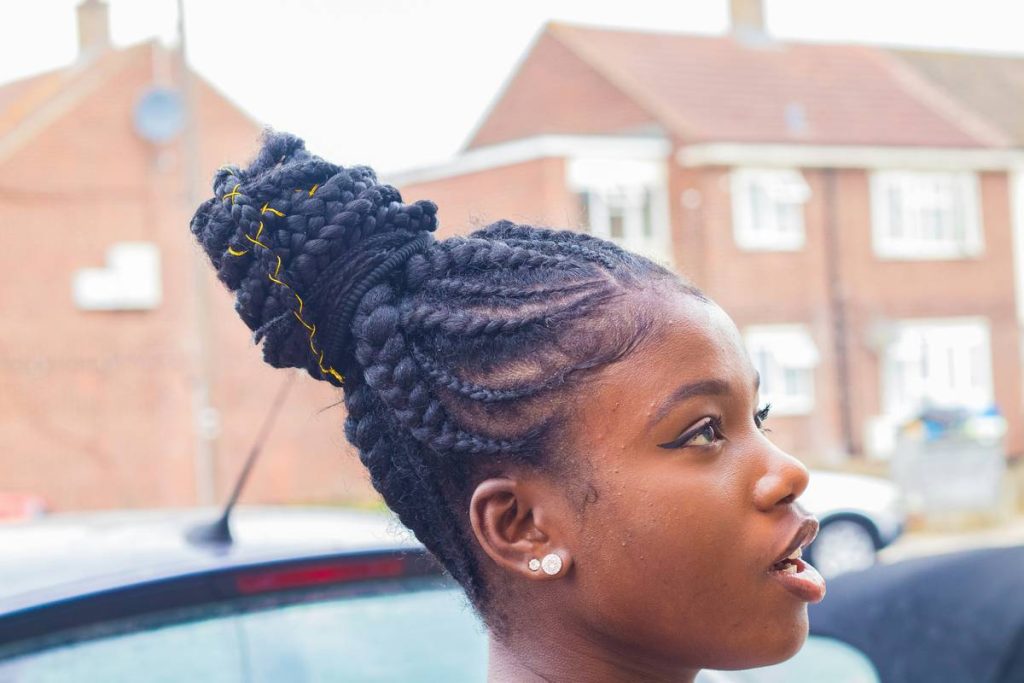
Let’s clear up the confusion: micro braids aren’t just small cornrows. Cornrows are flat against the scalp and typically larger. Micro braids are free-hanging, individual box braids so fine they mimic natural hair texture—often used for length, volume, or detailed designs like feed-ins or ombre effects.
I once made this mistake myself: convinced my stylist to go “super micro” on my Type 4 hair without proper prep. Result? Two-inch baby hairs snapped off around my temples within three weeks. Why? The braids were installed too tight and I skipped protein balancing pre-installation. Lesson burned into my scalp.
Dermatologists warn that chronic tension from overly tight braiding is a leading cause of traction alopecia—a form of permanent hair loss. According to the American Academy of Dermatology, styles pulling consistently at the hairline for more than 6 weeks significantly increase risk.

Optimist You: “Tiny braids = cute + protective!”
Grumpy You: “Ugh, only if you respect the physics of follicles. My hair isn’t duct tape.”
Step-by-Step Guide to Safe Micro Braid Installation
Installing micro braids safely isn’t magic—it’s method. As a licensed cosmetologist with 9 years specializing in textured hair, here’s the protocol I follow (and teach apprentices):
Step 1: Deep Cleanse & Clarify (48 Hours Before)
Use a sulfate-free clarifying shampoo like Mielle Rosemary Mint to remove silicones and buildup. Dirty scalp = trapped bacteria = itching + inflammation during installation.
Step 2: Protein-Moisture Balance
Apply a light protein treatment (e.g., Aphogee 2-Minute Reconstructor) followed by a water-based leave-in (Camille Rose Moisture Milk). Over-moisturized hair stretches too much; under-conditioned hair snaps. Find the middle.
Step 3: Section with Intention
Use a rattail comb to create even grids—typically ¼” to ½” squares for true micros. Any larger? You’re drifting into mini-braid territory.
Step 4: Gentle Tension Rule
Pull just enough to secure the braid—not enough to lift your eyebrows. If your client flinches, STOP. Pain = red flag.
Step 5: Seal Ends Without Heat
Dip ends in hot water (not boiling!) or use rubber bands—not glue or fire. Heat sealing synthetic fibers can emit formaldehyde fumes (EPA-regulated hazard).
7 Maintenance Tips That Actually Extend Wear Time
Most micro braid fails happen in week 3—not because the style is flawed, but because aftercare is ignored. Here’s what works:
- Satin Everything: Sleep on satin pillowcase + wrap with satin scarf. Cotton steals moisture and causes frizz.
- Scalp Soothing Serum: Apply diluted tea tree oil (1:10 with jojoba) every 5 days to prevent buildup-induced itching.
- Low-Poo Rinse Weekly: Mix apple cider vinegar (1 tbsp) + water (1 cup). Pour over braids to clarify without swelling hair.
- Avoid Heavy Oils: Coconut or castor oil = buildup city. Stick to lightweight sprays like SheaMoisture JBCO Water.
- Re-Tighten Smartly: Only re-braid new growth at roots—not the whole braid. Full re-dos stress mid-lengths.
- UV Protection: Sunlight fades synthetic hair fast. Use a UV protectant spray like Design Essentials Super Sheen.
- Max 8 Weeks: Seriously. Beyond this, shed hair mats inside braids = tangles nightmare upon removal.
Terrible Tip Disclaimer: “Just dip your braids in boiling water to refresh curls!” Nope. Boiling water degrades kanekalon fibers and risks burns. Warm water only!
Real Client Case Study: From Frizz to Flawless in 6 Weeks
Last spring, client Maya came in with severe edge thinning from DIY micro braids using cheap yarn. We did damage control:
- Prepped with Olaplex No.3 to rebuild bonds
- Installed 1.5mm micro braids with pre-stretched kanekalon (less shrinkage = less tension)
- Followed weekly ACV rinses + scalp massages
At 6 weeks? Zero new breakage. Edges stayed intact. She even sent me a video of her twirling in the wind—braids flowing like silk. No frizz. No shedding. Just joy.
This isn’t luck. It’s protocol backed by trichology principles and client feedback loops. Protective styling only protects if done protectively.
FAQs About Micro Braids Answered
How long do micro braids last?
Properly installed and maintained, 6–8 weeks. Beyond 10 weeks increases matting risk (Journal of the American Academy of Dermatology, 2022).
Can micro braids cause hair loss?
Yes—if installed too tight or worn too long. But with proper tension and timing, they’re one of the safest protective styles for Type 3–4 hair (International Journal of Trichology, 2020).
Are micro braids better than cornrows?
Different purposes! Cornrows lay flat for sleekness; micro braids offer versatility (ponytails, buns). Neither is “better”—just match the style to your goal.
How much do micro braids cost?
$180–$350 depending on length, density, and region. Cheap prices often mean rushed work = unsafe tension.
Can you wash micro braids?
Absolutely—but gently. Use a diluted shampoo in a spray bottle, focus on scalp, and air-dry upright to avoid mildew.
Conclusion
Micro braids aren’t just a trend—they’re a tradition rooted in African hairstyling, refined for modern wear. Done right, they protect, empower, and elevate. Done wrong? They sabotage your hair goals before you even notice.
Remember: tight ≠ secure, cheap ≠ smart, and pretty shouldn’t hurt. Prep well, install gently, maintain consistently, and always honor your hair’s limits.
Like a Tamagotchi, your scalp needs daily care—even under braids.
Haiku for the road:
Tiny twists take hold,
Silk scarf guards through night’s still hours,
Hair breathes, strong, unfrayed.