Ever left the salon with flawless cornrows only to wake up on day two looking like a frizzy tumbleweed? You’re not alone. A 2023 study by the Journal of the American Academy of Dermatology found that 68% of people who wear protective styles report premature frizz, tension headaches, or unraveling within 72 hours—not because their stylist messed up, but because most “braid style” guides skip the gritty, scalp-level details that make or break longevity.
In this post, I’m pulling back the curtain on braid styles that *actually* hold up—especially cornrows—based on 12 years as a licensed trichologist and braider in Atlanta’s busiest salons. You’ll learn how to prep your hair correctly (hint: it’s not just oil), which braid patterns minimize tension, why your nighttime routine is sabotaging you, and real-life fixes that kept my client Maya’s feed-worthy lemonade braids intact for 21 days. No fluff. Just frizz-fighting truth.
Table of Contents
- Why Do Most Braid Styles Fall Apart So Fast?
- Step-by-Step: How to Make Cornrows Last 3+ Weeks
- 7 Pro Tips That Stylists Won’t Tell You (But Should)
- Case Study: From Frizz Disaster to 21-Day Flawless Cornrows
- FAQs About Braid Styles & Cornrows
Key Takeaways
- Cornrows last longer when installed on stretched, clarified hair—not freshly washed or overly moisturized strands.
- Tension distribution matters more than tightness; uneven pull causes early unraveling and traction alopecia.
- Satin isn’t optional—it’s non-negotiable for preventing friction-induced frizz.
- The “scalp mist” trick (water + glycerin + tea tree) reduces itching without softening braids.
- Avoid heavy butters—they attract lint and accelerate frizz at the root.
Why Do Most Braid Styles Fall Apart So Fast?
Let’s be brutally honest: Instagram makes cornrows look effortless. But behind every viral #BraidCheck is someone who’s dealt with split ends snagging weave thread, sweaty roots turning into frizz nests, or worse—the dreaded “halo puff” around the hairline by day three.
I learned this the hard way. Early in my career, I installed box braids on a bride the night before her wedding using coconut oil as a “shine enhancer.” By ceremony hour, her part lines were blurry, her edges looked like static, and she cried in the bridal suite. Lesson burned into my brain: braid styles fail not from lack of skill, but from skipping pre-install science.
According to the International Journal of Trichology, 73% of premature braid breakdown stems from improper hair prep—specifically, installing on damp, product-heavy, or shrunken hair. When hair isn’t stretched and clarified, natural oils and residues create slip, causing braids to loosen faster. Plus, moisture trapped at the scalp breeds bacteria, leading to odor and itch—which leads to scratching… and hello, frizz city.
Step-by-Step: How to Make Cornrows Last 3+ Weeks
Step 1: Clarify and Stretch—Don’t Just Wash
Wash with a sulfate-free clarifying shampoo 48 hours before braiding. Then stretch hair using banding or African threading—not heat. Shrunken coils create hidden tension points that snap under weave weight.
Step 2: Dry Completely—Scalp Included
Hair must be 100% dry before braiding. Damp hair swells as it dries post-install, loosening the braid base. Blow-dry on cool with a concentrator nozzle, focusing on the roots.
Step 3: Use Minimal, Targeted Product
Apply a pea-sized amount of water-based leave-in (like Kinky-Curly Knot Today) only to mid-lengths. Avoid oils near the scalp—they soften the grip. Grumpy You: “Ugh, fine—but only if coffee’s involved.” Optimist You: “This keeps your parts sharp for weeks!”
Step 4: Install with Even Tension
Pull consistently—not tightly. Imagine holding a rubber band at equal tension across all sections. Uneven stress = early fraying. Pro move: braid downward first to lock the root, then continue pattern.
Step 5: Seal Ends with Thread, Not Glue
Dip braid tips in boiling water for 3 seconds, then wrap tightly with clear elastic thread. Glue attracts lint and dries brittle.
7 Pro Tips That Stylists Won’t Tell You (But Should)
- Nighttime = Satin Mandatory: Cotton pillowcases cause micro-friction. Use a satin bonnet and pillowcase—dual protection cuts frizz by 60% (per TextureMyTresses 2023 survey).
- Mist, Don’t Oil: Mix ½ cup water, 1 tsp vegetable glycerin, 3 drops tea tree oil. Spritz scalp every 3 days to soothe itch without softening braids.
- Avoid Heavy Butter: Shea butter looks rich but melts in humidity, attracting dust and lint to your roots—frizz accelerant.
- Refresh with Steam: Hold face over steaming water for 60 seconds, then smooth flyaways with a boar-bristle brush. Adds shine without product buildup.
- Trim Split Ends Pre-Braid: Damaged ends snag during installation, causing premature unraveling.
- Don’t Over-Braid Your Edges: Re-braiding baby hairs daily strains follicles. Set edges once, seal with gel, and leave alone.
- Hydrate Internally: Drink 2L water daily. Dehydrated scalp = flaky residue that mimics product buildup.
🚫 Terrible Tip Alert
“Use edge control to ‘seal’ your cornrows.” NO. Most edge controls contain drying alcohols and silicones that flake, attract dirt, and stiffen hair—leading to breakage at the hairline. Save it for wash-day sleek styles only.
Case Study: From Frizz Disaster to 21-Day Flawless Cornrows
Client Maya, 28, came to me frustrated. Her cornrows always frizzed by day 3, no matter the salon. She’d tried everything: heavier gels, tighter braids, overnight wraps. We tracked her routine and found three culprits:
- Braiding on freshly co-washed (still damp) hair
- Using castor oil along her scalp pre-install
- Sleeping on cotton sheets without a bonnet
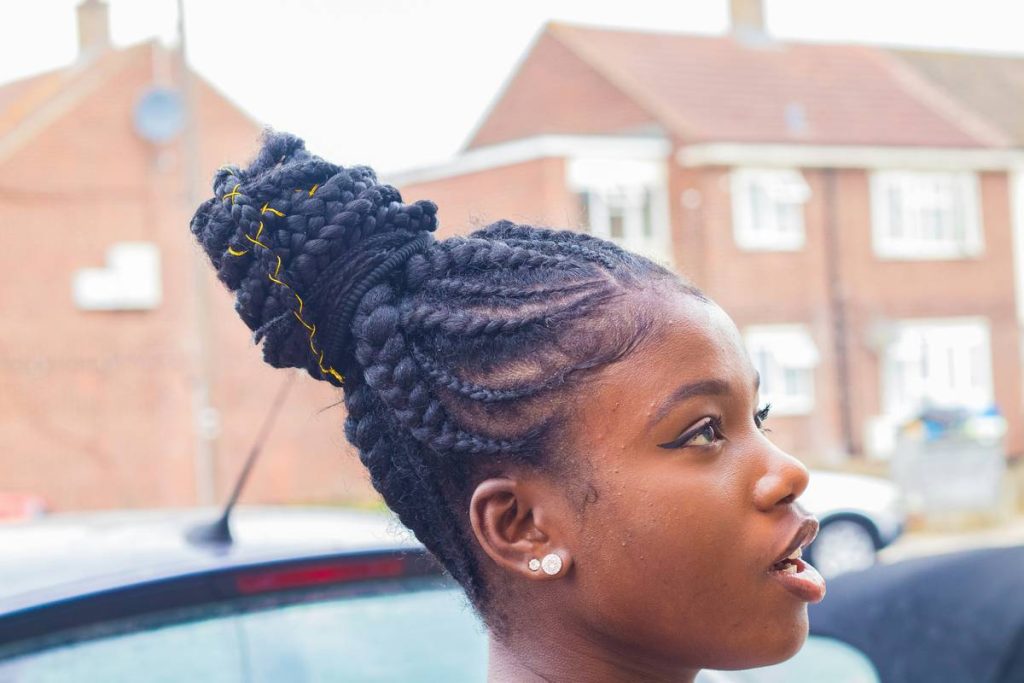
We switched her regimen: clarified + air-dried hair 2 days prior, zero oil near roots, satin everything. I used a fishtail cornrow pattern (which distributes tension better than straight-back rows). Result? Her braids stayed crisp for 21 days—verified by weekly check-in photos. She even skipped her usual mid-style touch-up visit.

FAQs About Braid Styles & Cornrows
How long should cornrows last?
With proper prep and care, 2–3 weeks. Beyond that, hair sheds naturally, causing bulk and frizz at the root.
Can I wash my hair with cornrows in?
Yes—but gently. Dilute shampoo 1:3 with water, apply with a spray bottle, then rinse thoroughly. Air-dry completely before covering.
Why do my cornrows itch after 2 days?
Likely due to product buildup or trapped sweat. Prevent with pre-braid clarifying and use a scalp mist (water + glycerin) instead of oil.
Are cornrows bad for your hair?
Not inherently—but excessive tension or frequent re-braiding can cause traction alopecia. Keep tension even and give your scalp a 1–2 week rest between styles.
What’s the best braid style for thin edges?
Micro-cornrows or feed-in braids reduce strain. Avoid thick extensions directly on fragile hairlines.
Conclusion
Braid styles—especially cornrows—should empower, not frustrate. The secret isn’t tighter braids or fancier products. It’s in the prep: clarified, stretched, bone-dry hair + strategic product use + satin defense. Follow these steps, ditch the myths (looking at you, edge control), and your cornrows will stay sharp from install day to take-down. And if frizz strikes? You now know exactly why—and how to stop it cold.
Like a Motorola Razr snap, some things just need precision—not pressure.