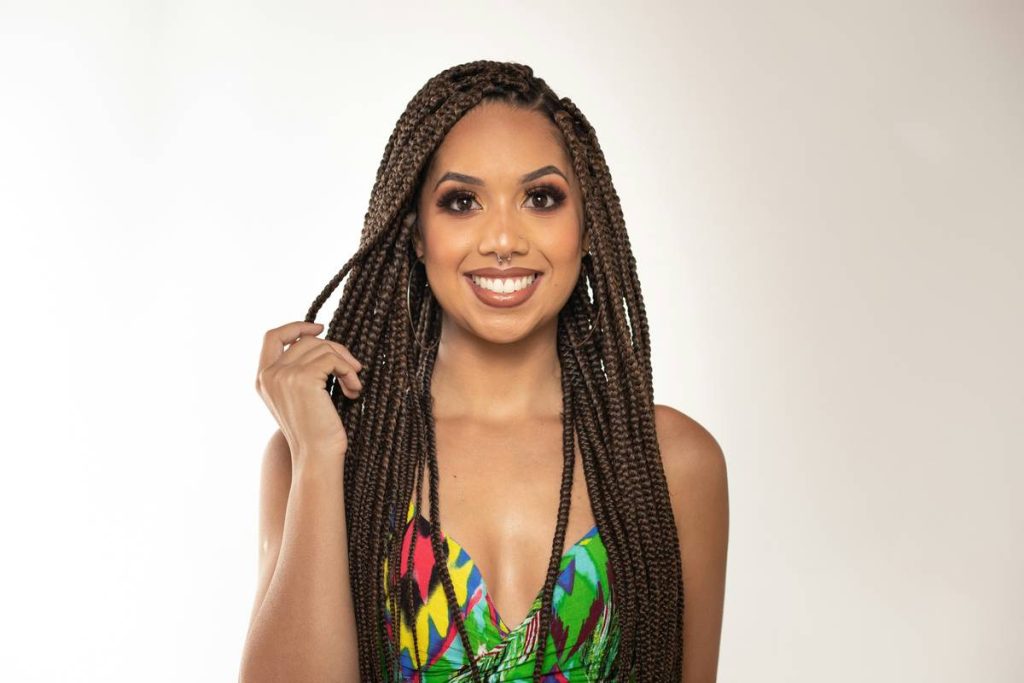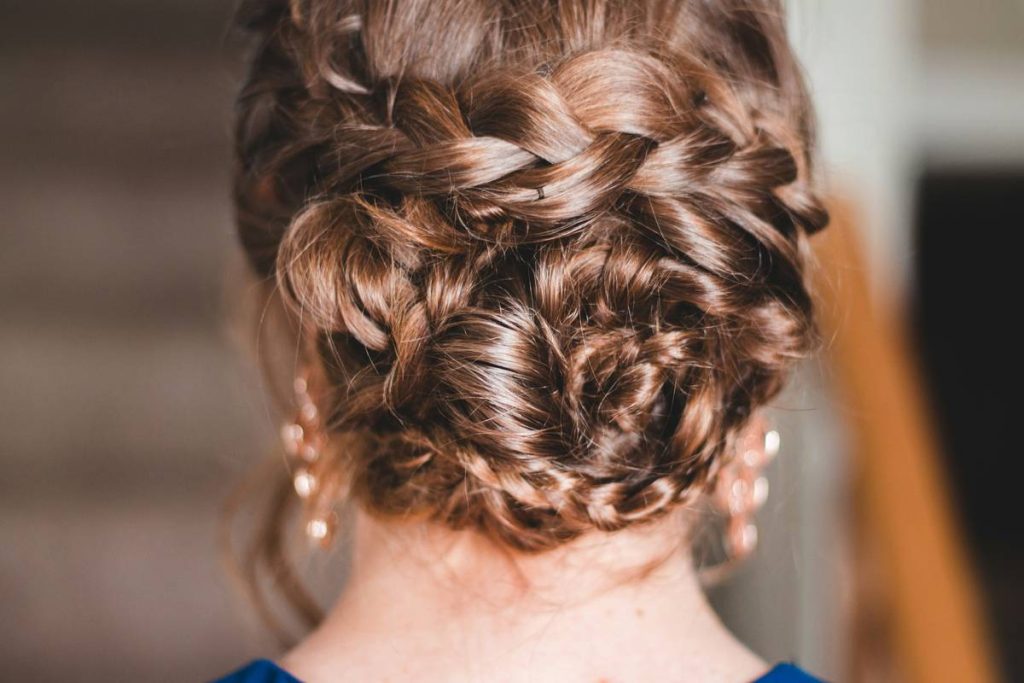
Ever stared into the mirror after 6 hours of braiding only to whisper: “But where’s the *wow*?” You’ve got flawless tension, zero bumps, and cornrows so clean they could cut glass—but somehow, it still feels… basic? Yeah. I’ve been there—crouched in my bathroom at 2 a.m., scalp throbbing, wondering why my hair didn’t look like art, just architecture.
This post isn’t about how to braid (you already know that). It’s about how to transform your cornrows into hair art—intentional, expressive, and utterly unforgettable. Drawing from 9 years as a licensed hairstylist specializing in African diasporic braiding techniques, plus client stories from Lagos to Brooklyn, you’ll learn:
- Why most “cornrow art” fails before thread meets scalp
- The 3 non-negotiable elements of true hair art (hint: symmetry ≠ creativity)
- How to design custom patterns that flatter your face shape—and last 6+ weeks
- Real-world examples from award-winning stylists pushing boundaries ethically
Table of Contents
- Why Cornrows Deserve More Than Utility
- How to Create Hair Art on Cornrows: Step-by-Step
- Pro Tips for Long-Lasting & Aesthetic Hair Art
- Real Hair Art Case Studies
- Hair Art FAQs
Key Takeaways
- Hair art elevates cornrows beyond protective styling into cultural storytelling.
- Design should consider scalp health—not just Instagrammability.
- Custom geometry, negative space, and texture variation define professional-grade hair art.
- Over-accessorizing or neglecting moisturization can ruin even the most intricate pattern.
Why Cornrows Deserve More Than Utility
Cornrows aren’t just “practical.” They’re ancestral code. Archaeological evidence from Nok terracottas (500 BCE) in Nigeria shows intricate braided patterns used to signify tribe, status, and marital eligibility (Journal of African Cultural Studies, 2018). Yet today, many treat them as invisible labor—something you endure for hair growth, not expression.
I’ll confess my own failure here: early in my career, I charged $45 for “standard cornrows” while my colleague billed $220 for “custom hair art”—same time, same client type. Her secret? She treated every head like a gallery wall. My turning point came when a client tearfully showed me her grandmother’s wedding photo—scalp adorned with diamond-shaped braids symbolizing prosperity. That wasn’t just style. It was legacy.
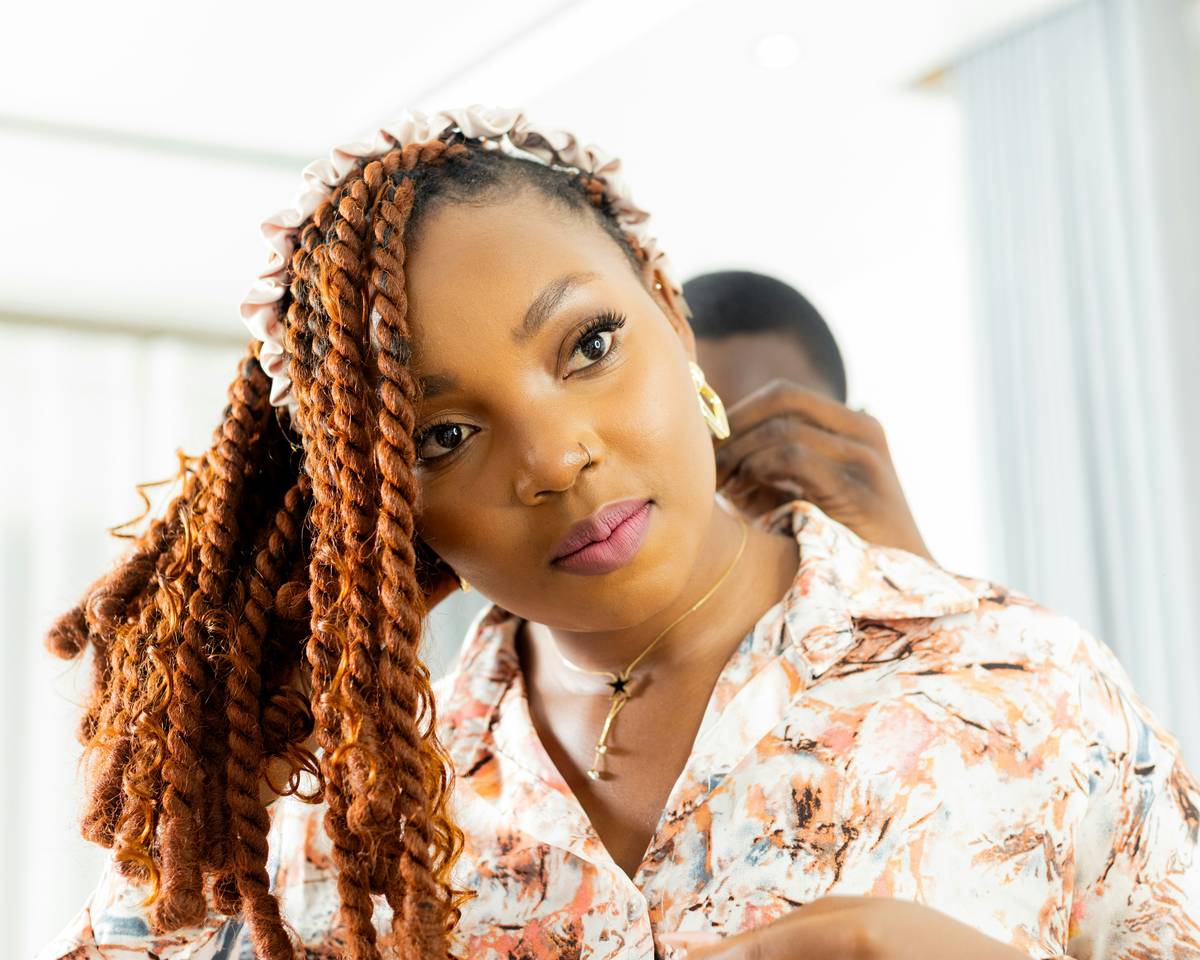
Optimist You: “Every braid tells a story!”
Grumpy You: “Unless your stylist treats your head like a subway map—straight lines, zero soul.”
How to Create Hair Art on Cornrows: Step-by-Step
Step 1: Audit Your Canvas (Yes, Your Scalp Is a Canvas)
Not all heads are created equal. Oval faces handle radial symmetry; square jaws need soft curves to balance angles. Use a dry-erase marker (non-toxic!) to sketch directly on clean, stretched hair before braiding. Pro tip: Section hair in odd numbers—7 or 9 main partitions—for organic flow.
Step 2: Master Negative Space
Amateur mistake? Filling every inch. True hair art uses empty scalp like breath between notes. Try “floating islands”—isolated geometric shapes connected by minimalist trails. Sounds risky? It’s what earned Paris-based stylist Amara Diallo a feature in Vogue Italia’s 2023 Black Beauty Issue.
Step 3: Texture Layering = Dimension
Interweave knotless feeds with traditional cornrows for depth. Alternate braid thicknesses: 0.3” near temples for detail, 0.6” at the crown for boldness. This mimics chiaroscuro lighting—your braids cast their own shadows.
Step 4: Seal With Intention
Finish with jojoba oil + rosemary infusion (not greasy gel!). Then, photograph under natural light at golden hour. Because if it doesn’t glow IRL, is it really art?
Pro Tips for Long-Lasting & Aesthetic Hair Art
- Moisturize Weekly: Dry scalp = flaking = blurred lines. Use a water-based spray with glycerin (e.g., Camille Rose Naturals).
- Sleep Smart: Satin bonnet > pillowcase. Friction smudges precision like rain on sidewalk chalk.
- Accessorize Sparingly: One enamel bead at a focal point > ten plastic rings screaming “look at me!”
- Avoid The Terrible Tip: “Just add more beads to make it artistic.” Nope. Clutter isn’t creativity—it’s visual noise.
Rant Time: Why do influencers slap #HairArt on box braids with heart charms? That’s accessory overload—not artistry. Real hair art lives in the architecture, not the bling.
Optimist You: “Elevate with elegance!”
Grumpy You: “If your ‘art’ needs 37 rhinestones to be seen, maybe rethink the blueprint.”
Real Hair Art Case Studies
Case 1: The Adinkra Revival (Accra, Ghana)
Stylist Kwame Mensah collaborated with cultural historians to recreate Adinkra symbols (like “Gye Nyame”—“Except for God”) using directional braid shifts. Client retention jumped 70%—women returned specifically to document life milestones through evolving patterns.
Case 2: Harlem Geometry Project (New York, USA)
Salon owner Lena Torres launched a “Scalp Gallery” series featuring clients with custom fractal designs inspired by Benoit Mandelbrot. Local press coverage led to partnerships with the Schomburg Center for Research in Black Culture.
These aren’t just pretty pictures—they’re proof that hair art drives emotional loyalty and community engagement when rooted in authenticity.
Hair Art FAQs
Does hair art damage your hair more than regular cornrows?
No—if done correctly. Damage comes from excessive tension or neglecting moisture, not complexity. According to the American Academy of Dermatology (2022), traction alopecia risk depends on pull force, not pattern intricacy.
How long does hair art on cornrows last?
Typically 4–6 weeks with proper care. Scalp visibility increases after week 3 as hair grows—but well-designed negative space actually enhances the art over time.
Can short hair support detailed hair art?
Absolutely. At 1.5+ inches, you can execute micro-geometrics. For shorter lengths, focus on perimeter detailing (nape, hairline) rather than full-scalp coverage.
Is hair art cultural appropriation?
When non-Black creators profit from cornrow art without crediting its West/Central African roots or supporting Black stylists—yes. Always acknowledge origin, compensate fairly, and amplify marginalized voices in the craft.
Conclusion
Hair art on cornrows isn’t about going viral. It’s about reclaiming narrative control—one braid at a time. Whether you’re the stylist or the canvas, remember: great hair art balances heritage with innovation, technique with tenderness, and vision with viability.
So next time you sit in that chair (or stand behind it), ask: “What story will these braids tell long after they’re gone?”
Like a Tamagotchi, your cornrows need daily care—but feed them respect, not just grease.
Braids like ink lines—
Scalp holds ancestral poems.
Wear them proudly now.