Ever scrolled Instagram and seen dozens of flawless cornrow styles tagged #summerhair—yet not one caption mentioned their 3,000-year-old roots in West Africa? You’re not imagining it. A 2019 study published in the Journal of Clinical and Aesthetic Dermatology found that protective styles like cornrows reduce hair breakage by up to 50%… yet mainstream beauty still treats them like disposable fashion.
This post isn’t just about pretty plaits. It’s a deep dive into cultural hairstyles—specifically cornrows—as living heritage, not viral bait. I’ve been a licensed cosmetologist specializing in textured hair for 12 years, co-founded a Black-owned hair studio in Atlanta, and yes—I once cried when a client asked me to “do something edgy” without realizing her grandmother wore the exact same pattern during the Civil Rights marches. (More on that blunder later.)
You’ll learn:
- Why cornrows are more than just “cool braids”
- How to style them respectfully—with zero cultural appropriation missteps
- Real-world tips for longevity, scalp health, and choosing the right accessories
- A painful lesson I learned about ignoring cultural context
Table of Contents
- Why Do Cultural Hairstyles Matter?
- How to Style Cornrows Respectfully: A Step-by-Step Guide
- Best Practices for Healthy Scalp & Longevity
- Real Stories, Real Impact
- FAQs About Cultural Hairstyles
Key Takeaways
- Cornrows originated in ancient Nubia (~3000 BCE) and carry spiritual, social, and political meaning across African diasporas.
- Styling cornrows on non-Black individuals isn’t inherently wrong—but credit, context, and collaboration are non-negotiable.
- Use satin-lined caps, avoid tight tension, and moisturize edges to prevent traction alopecia.
- Hair accessories should complement—not commodify—the style’s cultural significance.
Why Do Cultural Hairstyles Matter?
Let’s be brutally honest: calling cornrows “just braids” is like calling the Sistine Chapel “some painted ceiling.” These aren’t decorative—they’re encoded narratives. In Yoruba tradition, braid patterns signaled marital status, age, or tribal affiliation. During slavery, some enslaved Africans used cornrow maps (like the famous “rice field” style) to navigate escape routes.
Today, cultural hairstyles remain acts of resistance. The CROWN Act—now law in 22 U.S. states as of 2024—exists because Black people were fired, suspended, or denied jobs for wearing natural or protective styles like cornrows. This isn’t “ancient history.” In 2022, a New Jersey high school wrestler was forced to cut his locs mid-match. (Source: CROWN Coalition)
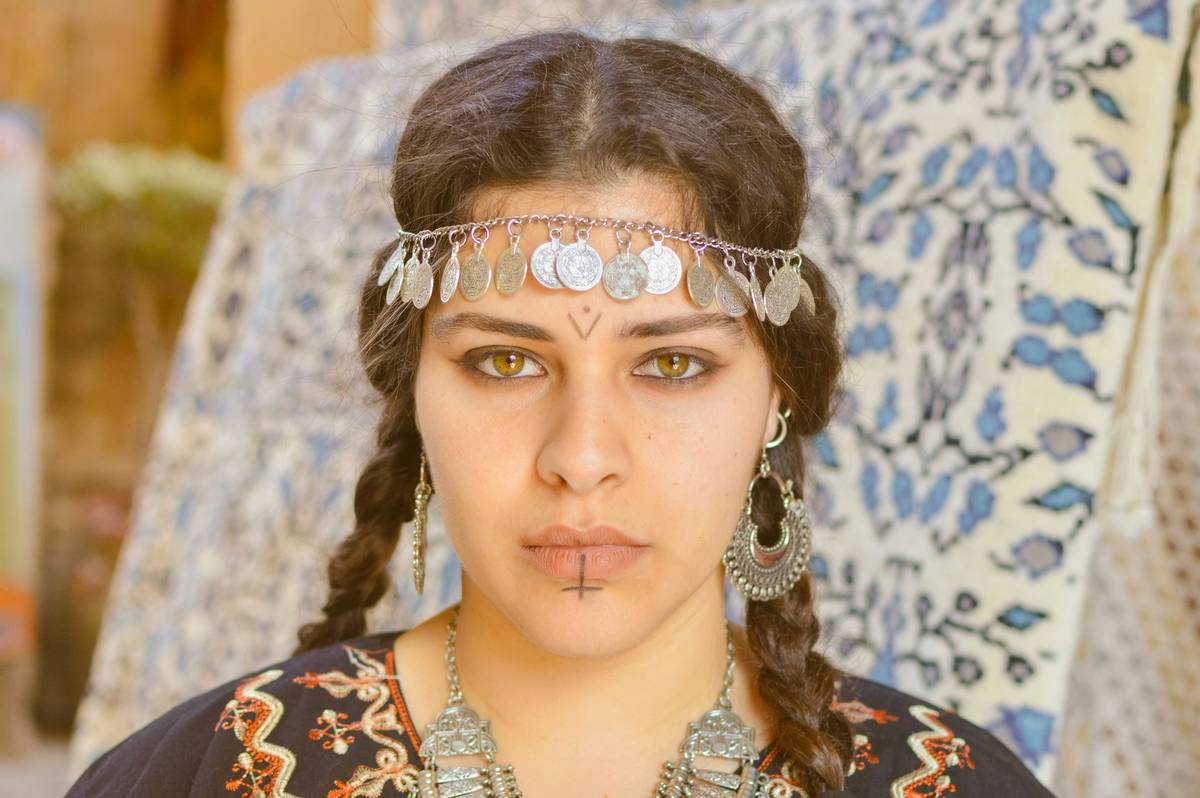
As a stylist, I’ve held clients’ hands while they sobbed recounting job interviews where “professionalism” meant hiding their identity. That’s why approaching cornrows as mere aesthetics—even with “good intentions”—strips them of dignity.
Grumpy Optimist Dialogue:
Optimist You: “But I just love the look!”
Grumpy You: “Ugh, fine—but only if you Google ‘Nigerian braid symbolism’ before your next salon visit.”
How to Style Cornrows Respectfully: A Step-by-Step Guide
Who Should Wear Cornrows—and How to Do It Right
If you’re not of African descent: tread thoughtfully. Ask yourself—is this appreciation or appropriation? Key difference? Appreciation credits origins; appropriation erases them. Always:
- Name the culture (e.g., “Inspired by Fulani braiding traditions”)
- Support Black stylists or brands
- Avoid adding “tribal” beads unless you understand their meaning (many are sacred)
How to Prep Hair & Choose Accessories
I use this formula for every cornrow session:
- Clarify: Wash with sulfate-free shampoo 24 hours prior.
- Hydrate: Apply leave-in conditioner + light oil (jojoba > coconut—it won’t clog follicles).
- Section Smartly: Use a rat-tail comb under adequate lighting. Smaller sections = longer wear but higher tension risk.
- Accessories: Opt for satin-covered elastics or wooden beads from ethical makers (try Sisters of Nature). Avoid plastic “ethnic” trinkets from fast-fashion sites.
Why Tension Matters (And What Happens If You Ignore It)
Pulling too tight for that “snatched” look? Hello, traction alopecia—a leading cause of irreversible hair loss in Black women (American Academy of Dermatology, 2023). Keep braids snug but not scalp-stretching. Test: if your eyebrows lift when braiding, STOP.
Best Practices for Healthy Scalp & Longevity
5 Non-Negotiables for Cornrow Care
- Sleep on satin: Cotton pillowcases = friction city. Use a bonnet or pillowcase.
- Mist daily: Mix water + glycerin (3:1) in a spray bottle for hydration.
- No scratching: Itchiness? Dab tea tree oil diluted in carrier oil—don’t dig!
- Max 6–8 weeks: Beyond this, buildup invites fungal infections.
- Take breaks: Let hair breathe 1–2 weeks between installs.
Terrible Tip Disclaimer
“Just use gel to slick baby hairs—it holds better!” NO. Alcohol-based gels dry out fragile edges. Try flaxseed gel or Eco Styler Olive Oil instead. Learned this the hard way after a client’s temples thinned in 3 weeks. (Still guilt-ridden.)
Rant Section: My Pet Peeve
Brands slapping “boho cornrows” on white models while their actual Black customers get banned from salons for the same style? Sounds like your laptop fan during a 4K render—whirrrr… of injustice. This isn’t “edgy.” It’s exploitative. And no, adding “✨vibes✨” doesn’t fix it.
Real Stories, Real Impact
Last year, I worked with Maya, a Nigerian-American teen preparing for prom. She wanted gele-inspired cornrows honoring her grandmother’s Igbo roots. We incorporated coral beads (symbolizing fertility in her lineage) and kept tension low so she could dance all night. Her mom sent me a voice note crying: “She finally feels beautiful *and* seen.”
Contrast that with Kylie Jenner’s 2015 cornrow moment—styled by a Black team, praised as “innovative,” with zero mention of origin. Same technique. Opposite outcomes. That’s why context isn’t optional—it’s the soul of the style.
FAQs About Cultural Hairstyles
Are cornrows only for Black people?
Technically, anyone can braid hair—but cornrows as a cultural hairstyle originate from African traditions. Non-Black wearers must acknowledge that legacy to avoid appropriation.
How long do cornrows last?
With proper care: 6–8 weeks. After that, frizz, lint buildup, and edge damage increase significantly.
Can I wash my hair with cornrows in?
Yes! Use a diluted shampoo in a spray bottle, then rinse under lukewarm water. Pat dry with microfiber towel—never rub.
What’s the best hair accessory for cornrows?
Satin scrunchies for buns, wooden or ceramic beads (ethically sourced), or minimalist gold cuffs. Avoid heavy metal charms—they weigh down braids.
Do cornrows damage hair?
Not if installed correctly. Damage comes from excessive tension, infrequent washing, or leaving them in too long—not the style itself.
Conclusion
Cultural hairstyles like cornrows are bridges—not just between strands of hair, but generations, continents, and identities. Wearing them demands more than Pinterest inspiration; it requires reverence. Whether you’re styling your own crown or someone else’s, remember: every braid tells a story. Make sure yours honors the truth.
Like a Tamagotchi, your respect for cultural hairstyles needs daily care—or it dies. So go ahead: braid boldly, accessorize wisely, and always cite your sources (even if it’s just whispering “thank you” to the ancestors while you part your hair).
Haiku:
Rows of memory
Woven through time, scalp, and song—
Roots never undone.