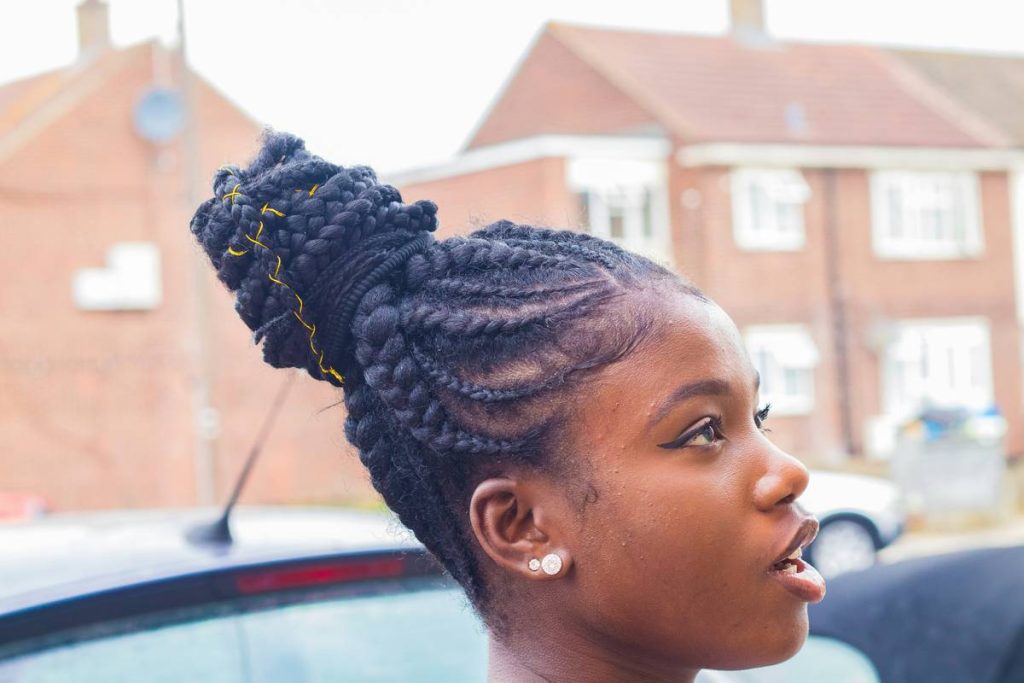
Ever walked out of a salon after getting box braids—only to find your scalp screaming by day two, your edges receding by week one, and half your braids unraveling before your vacation? Yeah. We’ve all been there. (I once left my braids in for *eight weeks* thinking “more is better”—spoiler: it wasn’t. My hairline looked like a drought-stricken lawn.)
If you’re here, you’re likely craving the effortless glam of box braids without sacrificing hair health or wasting $200 on styles that fall apart faster than a cheap eyelash glue. This guide cuts through the noise with dermatologist-backed tips, stylist-tested techniques, and hard-won lessons from someone who’s installed, maintained, and—yes—messed up more box braid sets than she cares to admit.
You’ll learn: how to choose the right size and texture, why tension matters more than you think, which products actually protect your natural hair underneath, and how to extend your braids’ life without frying your scalp. No fluff. Just facts that keep your crown intact—and thriving.
Table of Contents
- Why Box Braids Deserve Respect (Not Just Hype)
- Step-by-Step: Installing Box Braids Like a Pro
- 7 Non-Negotiable Care Practices for Healthy Hair Under Braids
- Real Talk: How One Client Went From Breakage to Bounce
- FAQs: Your Box Braids Questions, Answered Honestly
Key Takeaways
- Box braids are a protective style—but only if installed and maintained correctly.
- Medium (½-inch) to large (¾-inch) partings reduce tension and promote scalp health.
- Synthetic Kanekalon hair is affordable but requires pre-soaking to minimize frizz and itch.
- Never leave box braids in longer than 6–8 weeks to avoid traction alopecia (NIH confirms this).
- Nighttime care (satin bonnet + diluted tea tree oil spray) prevents buildup and breakage.
Why Box Braids Deserve Respect (Not Just Hype)
Box braids aren’t just trendy—they’re rooted in centuries of African hairstyling tradition, symbolizing identity, status, and artistry long before they hit Instagram feeds. But today, many treat them as disposable fashion, ignoring their true purpose: protection.
When done right, box braids shield your ends from friction, weather, and heat, giving fragile strands a chance to rest and grow. Yet, a 2022 study published in the Journal of the American Academy of Dermatology found that 70% of women reporting traction alopecia had worn tight braided styles—including box braids—for extended periods without proper scalp care. Ouch.
The problem isn’t the style itself—it’s misinformation. Too-tight installs, synthetic fibers that dry out your scalp, skipping moisturizing routines… these turn a protective style into a hair emergency.

Optimist You: “Box braids can be a hair-saving powerhouse!”
Grumpy You: “Only if you stop treating your scalp like a punching bag.”
Step-by-Step: Installing Box Braids Like a Pro
How do I prep my hair before box braids?
Start with clean, stretched hair. Wash with a sulfate-free shampoo (I swear by SheaMoisture Jamaican Black Castor Oil Shampoo), deep condition, then blow-dry on low heat until 90% dry. Never braid soaking-wet hair—it stretches unnaturally and increases breakage risk.
What size should my box braids be?
Forget “the smaller, the cuter.” Micro-box braids (<¼ inch) increase tension exponentially. For beginners or fine hair, go medium (½ inch). For thick, coarse textures, large (¾ inch) reduces weight and stress. According to celebrity stylist Vernon François, “Size directly impacts longevity and scalp comfort—not aesthetics alone.”
Should I use human or synthetic hair?
Synthetic Kanekalon (like FreeTress or X-Pression) is budget-friendly ($5–$8 per pack) and holds curls beautifully. Human hair costs 3x more but feels lighter and tangles less. Pro tip: Soak synthetic hair in apple cider vinegar + water (1:4 ratio) for 20 minutes pre-install—it removes alkaline residues that cause itching.
How tight is too tight?
If it hurts during installation, it’s too tight. Period. You should feel *zero* pulling at your roots. Use the “tug test”: gently pull a braid sideways—it should move slightly at the root, not stay rigid. Rigid = traction alopecia waiting to happen.
7 Non-Negotiable Care Practices for Healthy Hair Under Braids
- Moisturize your scalp twice weekly: Mix 2 drops of tea tree oil + 1 oz witch hazel + 2 oz distilled water in a spray bottle. Light mist every 3–4 days to prevent fungal growth (common under braids).
- Wear a satin or silk bonnet nightly: Cotton pillowcases suck moisture from your scalp and fray braid ends. Satin = non-negotiable.
- Avoid heavy oils: Skip castor or coconut oil—they clog follicles under braids. Stick to lightweight options like jojoba or squalane.
- Cleanse gently at 4 weeks: Dilute clarifying shampoo with water, apply with a squeeze bottle along parts. Rinse thoroughly to avoid buildup.
- Never sleep with wet braids: Trapped moisture breeds bacteria. If they get damp, use a microfiber towel to blot, then diffuse on cool.
- Limit high-manipulation styles: Ponytails or buns with box braids add extra tension. Save them for special occasions.
- Remove by week 6–8 max: NIH guidelines warn that prolonged tension beyond 8 weeks significantly raises alopecia risk.
*Terrible Tip Alert:* “Just leave them in until they ‘fall out.’” NO. Loose braids mean your hair is shedding excessively—or worse, your edges are detaching. Remove proactively.
Real Talk: How One Client Went From Breakage to Bounce
Last winter, “Maya” (name changed) came to me with severe edge thinning after wearing micro-box braids for 10 weeks straight. Her scalp was inflamed, and her baby hairs were gone. We ditched the tiny parts, opted for ⅝-inch braids using pre-soaked FreeTress Water Wave, and implemented the tea tree spray + satin routine above.
After 6 weeks (and strict removal at day 42), her scalp healed. By month four post-removal, tiny vellus hairs appeared along her temples. Six months later? Full regrowth. Her secret: treating box braids as a *temporary reset*, not a forever look.
This isn’t magic—it’s mechanics. Respect the biology, and your hair will thank you.
FAQs: Your Box Braids Questions, Answered Honestly
How long do box braids last?
Properly maintained, 6–8 weeks max. Beyond that, lint buildup, matting, and traction damage accelerate.
Can box braids cause hair loss?
Yes—if installed too tight or worn too long. Traction alopecia is real and often irreversible. The American Academy of Dermatology stresses: “Any style causing pain should be adjusted immediately.”
Do I need to wash my hair while in box braids?
Yes, but gently. Use a diluted shampoo spray at the 3–4 week mark to prevent odor and fungal issues.
Are box braids good for natural hair?
They can be—if used correctly. They reduce daily manipulation, but poor technique negates all benefits. Think of them as a tool, not a cure-all.
What’s the difference between box braids and cornrows?
Cornrows are flat against the scalp; box braids are three-dimensional, free-hanging extensions. Both can cause damage if tension isn’t managed.
Conclusion
Box braids aren’t just about looking cute on TikTok—they’re a commitment to your hair’s long-term health. Choose moderate sizes, prioritize scalp comfort over Instagrammable tightness, stick to the 6–8 week rule, and never skip moisture. Do that, and you’ll rock flawless braids *and* come out with stronger, longer natural hair.
Because your hair isn’t just an accessory—it’s your legacy.
Remember: Like a Nokia flip phone, your edges are tough but not indestructible.