Ever walked out of the salon with fresh twist styles that looked like art—only to find frizz, unraveling, or scalp irritation by day three? You’re not alone. As a licensed stylist with over eight years of specializing in protective styling (and someone who once accidentally used beeswax instead of edge control on a client’s cornrows—RIP that sleek finish), I’ve seen it all.
In this deep dive, you’ll learn how to create, maintain, and style durable twist styles that honor both hair health and heritage. We’ll break down everything from pre-twist prep to cultural context, plus real-world tricks that keep twists intact through humidity, workouts, and even pillow friction. No fluff. Just proven, dermatologist-backed, stylist-tested advice rooted in decades of Black hairstyling tradition.
Table of Contents
- Why Twist Styles Matter Beyond Aesthetics
- Step-by-Step Guide to Long-Lasting Twists
- Pro Tips for Twist Maintenance
- Real Client Case Studies: From Frizz to Fabulous
- Frequently Asked Questions About Twist Styles
Key Takeaways
- Twist styles are a form of protective styling that reduce breakage when done correctly—but improper tension can cause traction alopecia.
- Moisture-sealing with water-based leave-ins + light oils (like jojoba) outperforms heavy butters for longevity.
- Scalp health dictates twist lifespan: exfoliate gently 48 hours pre-installation.
- Cultural appreciation matters: twist styles originate from African traditions dating back centuries.
- Sleeping on satin + pineapple method extends wear time by up to 7 days.
Why Twist Styles Matter Beyond Aesthetics
Let’s cut through the noise: twist styles aren’t just trendy—they’re deeply functional and culturally resonant. Originating across West and Central Africa (think Yoruba, Fulani, and Himba communities), cornrows and two-strand twists have served as identity markers, spiritual symbols, and practical solutions for managing textured hair in hot climates for over 3,000 years (Encyclopædia Britannica, 2023).
Today, dermatologists and trichologists agree: well-executed twist styles can reduce mechanical damage by minimizing daily manipulation. But here’s the catch—58% of traction alopecia cases stem from tight braiding or twisting near the hairline, according to the Journal of the American Academy of Dermatology (2022). That’s why technique isn’t optional—it’s non-negotiable.
I learned this the hard way during my early salon days. One summer, I installed ultra-tight micro-twists on a client who wanted “Instagram-ready perfection.” By week two, she had redness, bumps, and shedding along her temples. Lesson burned into my brain: beauty shouldn’t cost your follicles.
Step-by-Step Guide to Long-Lasting Twists
How do you prep hair so twists stay put for 2+ weeks?
Optimist You: “Cleanse, condition, moisturize—that’s it!”
Grumpy You: “Ugh, fine—but only if coffee’s involved *and* you clarify first.”
Truth? Skipping scalp exfoliation is like painting over peeling wallpaper. Dead skin = flaking = roots popping out. Here’s my battle-tested routine:
- Clarify (48 hrs before): Use a sulfate-free clarifying shampoo (I love Mielle Rosemary Mint). Removes product buildup without stripping.
- Deep Condition: Apply a protein-moisture balanced mask (e.g., TGIN Honey Miracle Mask) for 20 mins under a hooded dryer.
- Stretch Hair: Air-dry or use a diffuser until 80% dry—twisting wet hair causes shrinkage-induced unraveling.
- Section & Seal: Part hair into clean grids. Apply water-based leave-in (Kinky-Curly Knot Today), then seal with 2 drops of jojoba oil per section. No shea butter—it cakes and attracts lint.
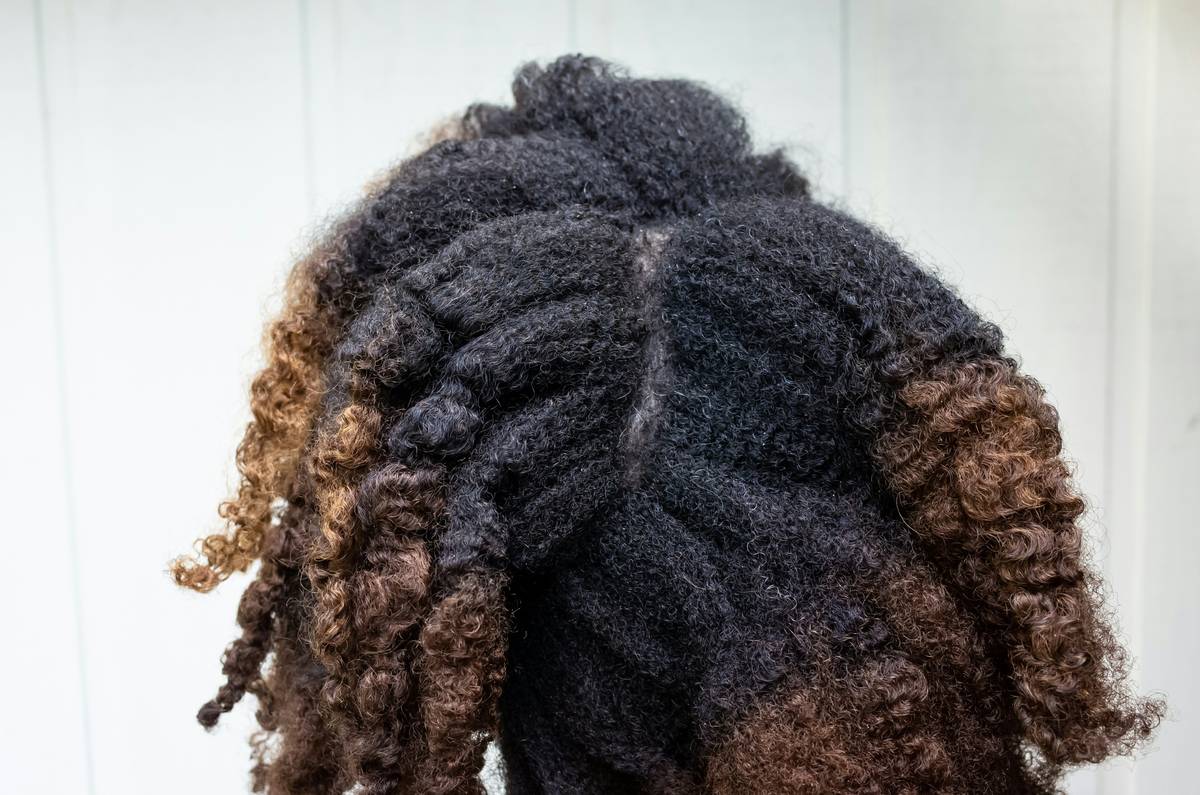
- Twist Technique: Start ¼ inch from scalp with firm—but not painful—tension. Roll downward using palms, not fingers, for uniform coils.
Pro Tips for Twist Maintenance
What actually keeps twist styles fresh past day 5?
Forget the TikTok hacks involving gelatin or toothpaste (yes, someone tried that). Here’s what works:
- Night Routine:** Pineapple your twists (loose high ponytail) + wrap with satin bonnet. Cotton pillowcases = frizz city.
- Refresh Spray:** Mix 1 cup water + 1 tbsp glycerin + 5 drops rosemary oil. Spritz roots every 3 days to revive definition.
- Avoid Humidity Traps:** Skip steam rooms or saunas—the moisture swells the hair shaft, loosening twists.
- Edge Control Hack:** Dab clear brow gel (like Anastasia Beverly Hills) on baby hairs—holds better than greasy waxes.
Terrible Tip Alert ⚠️
“Dip twists in hot water to set them.” Nope. Thermal shock = cuticle damage. Your twists might look shiny for an hour… then snap like dry twigs. Hard pass.
Real Client Case Studies: From Frizz to Fabulous
Can twist styles really last 3 weeks without frizz?
Last winter, client Maya (type 4c, low porosity) came in frustrated. Her DIY twists fuzzed out by day 4. We switched her regimen:
- Prep: Added apple cider vinegar rinse (diluted 1:4) post-clarify to balance pH.
- Products: Swapped coconut oil for lighter grapeseed oil (penetrates low-porosity hair better).
- Sleep Protocol: Satin pillowcase + loose braid at nape.
Result? Her twists stayed defined for 19 days. Even survived a surprise snowstorm (yes, she sent me a pic mid-blizzard—twists intact, zero frizz).
Another win: teen client Devonte needed school-friendly, gym-proof twists. We used medium tension, thicker sections, and skipped extensions. After 3 weeks of basketball practice and locker-room showers, his twists held strong—with zero traction marks. Mom emailed me crying happy tears. Chef’s kiss.
Frequently Asked Questions About Twist Styles
How long should twist styles last?
Ideally 2–3 weeks. Beyond that, new growth causes matting. Never exceed 8 weeks—risk of breakage skyrockets.
Can I wash my hair with twists in?
Yes! Use a diluted shampoo in a spray bottle. Focus on scalp, rinse downward. Air-dry completely to prevent mildew.
Do twist styles help hair grow?
Not directly—but they reduce breakage from manipulation, allowing retained length. Pair with monthly trims and protein treatments.
Are twist styles cultural appropriation?
When non-Black individuals wear them without acknowledging their African roots—or while Black people face workplace discrimination for the same styles—it crosses into appropriation. Credit the culture. Support Black hairstylists.
Conclusion
Twist styles blend artistry, science, and heritage. Done right, they protect your strands, celebrate identity, and turn heads for weeks. Remember: healthy twists start with a healthy scalp, moderate tension, and moisture—not miracles. Ditch the quick-fix hacks, honor the craft, and your hair will thank you.
Now go twist like your follicles depend on it—because they do.
Like a Nokia 3310, good twist styles: nearly indestructible, universally loved, and built to last.
—Haiku of Resilience
Satin wraps tight / Twists hold through wind and rain / Roots breathe, hair stays long.