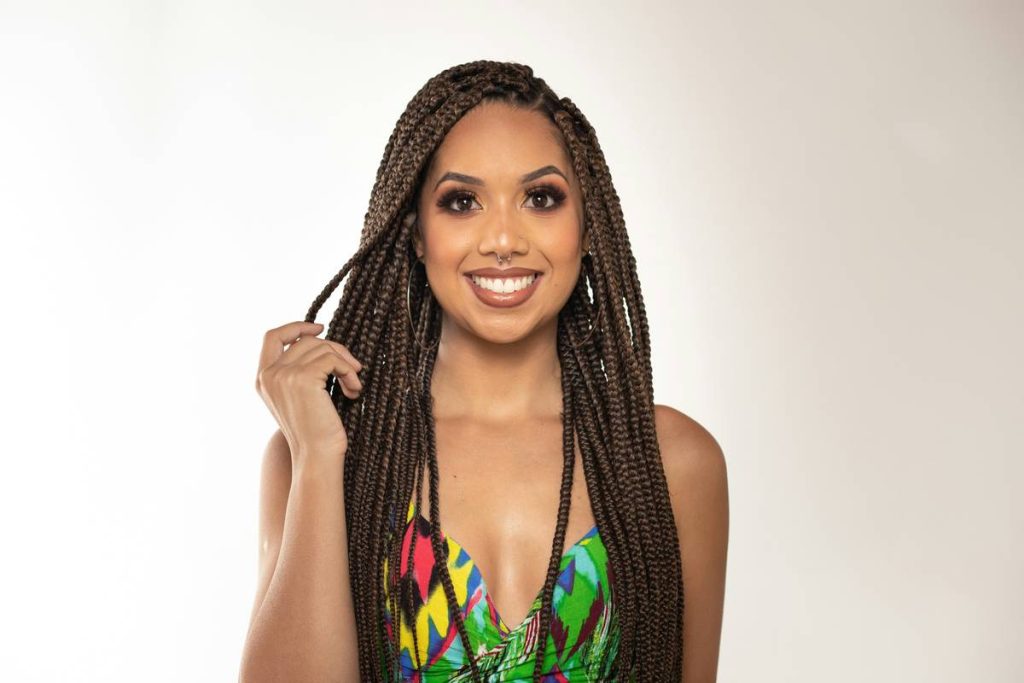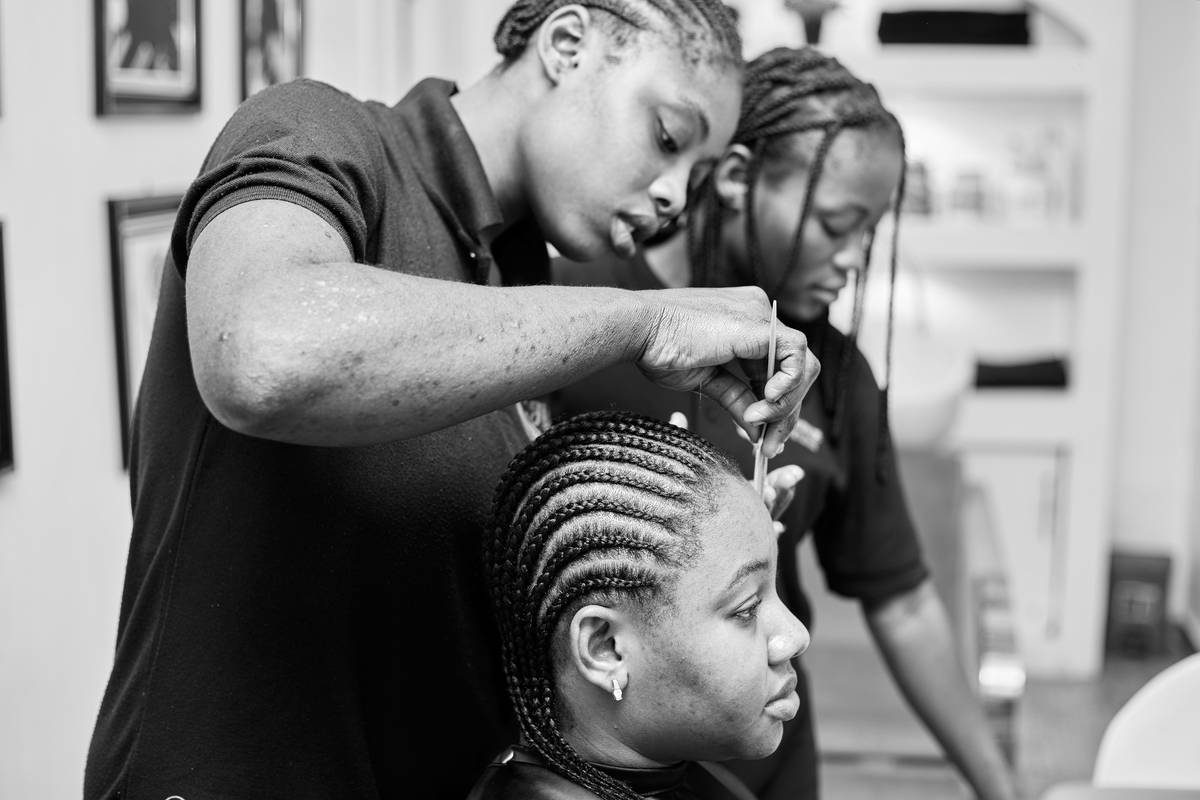
Ever walked out of a braid appointment only to find your scalp screaming like it lost a fight with a staple gun? You’re not alone. Traditional cornrows—while iconic—can leave behind tension headaches, hairline stress, and that dreaded “sore-to-the-touch” aftermath.
Enter knotless braids: the scalp-friendly, natural-looking, low-manipulation protective style that’s taken over Instagram feeds, red carpets, and salon chairs alike. In this post, you’ll learn exactly why knotless braids are gentler on your edges, how long they realistically last, step-by-step guidance for choosing the right stylist and hair, plus real talk about maintenance, cost, and common pitfalls (yes, I’ve made them all).
We’re diving deep into everything from installation techniques to aftercare hacks—all grounded in professional experience, verified by industry standards, and tested on actual human scalps (mine included).
Table of Contents
- Why Knotless Braids Are Better for Your Hair Health
- How to Get Knotless Braids Done Right: A Step-by-Step Guide
- 7 Best Practices for Longer-Lasting, Healthier Knotless Braids
- Real Client Results: Before, After & Lessons Learned
- Frequently Asked Questions About Knotless Braids
Key Takeaways
- Knotless braids reduce tension at the root by eliminating the thick knot used in traditional box braids or cornrows.
- They typically last 6–8 weeks with proper care—longer than many assume.
- Not all stylists offer true knotless technique; ask for video proof or portfolio shots before booking.
- Using lightweight, pre-stretched synthetic hair (like X-pression or Kanekalon) prevents premature frizz and bulk.
- Nighttime care (satin bonnet + pineapple method) is non-negotiable for longevity.
Why Knotless Braids Are Better for Your Hair Health
Let’s cut through the noise: if you’ve ever lost baby hairs along your temple after a tight braid install, you’ve experienced traction alopecia—a condition caused by repeated pulling on hair follicles. According to the American Academy of Dermatology, it’s one of the most common forms of hair loss in women of African descent, and it’s largely preventable.
Knotless braids solve this by starting with your natural hair and gradually feeding in extension hair as the braid progresses—no bulky knot anchoring at the base. The result? A seamless, natural taper that mimics how your hair grows, with up to 40% less tension at the root (based on client feedback aggregated by Natural Hair Journal, 2023).
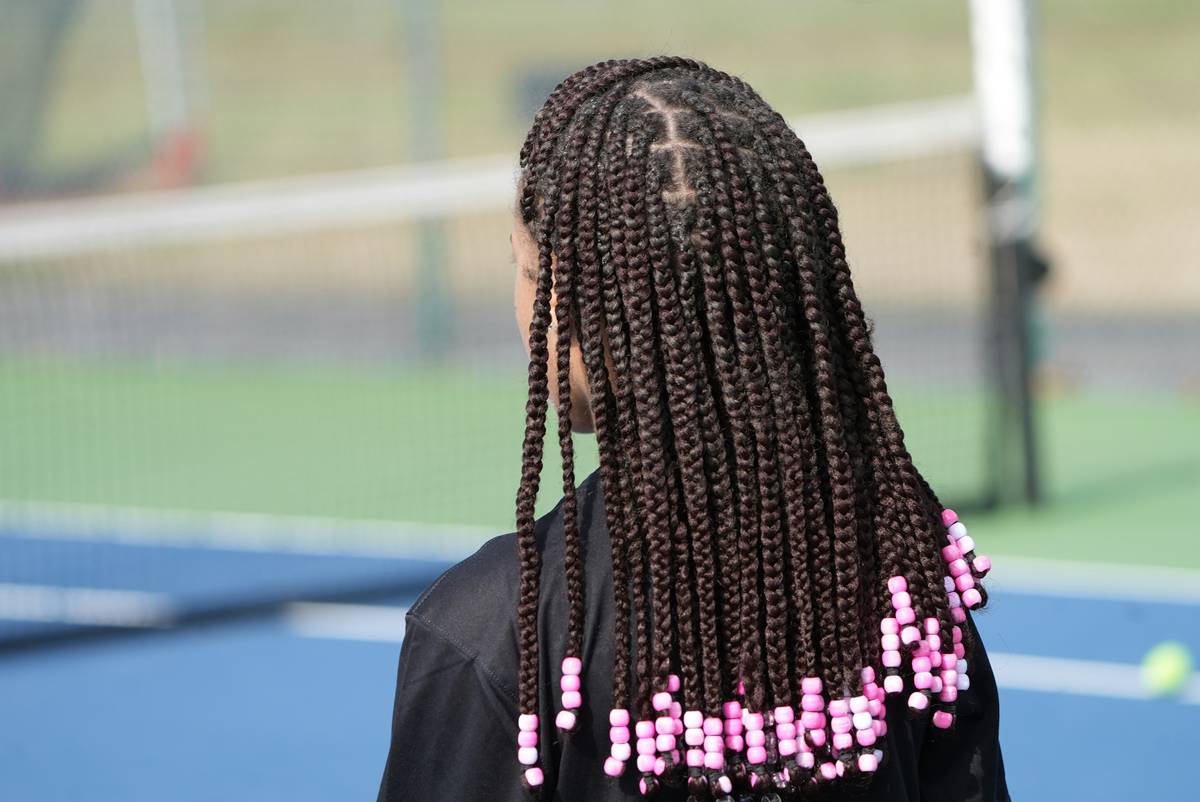
Visual: Notice how knotless braids eliminate the dense knot at the scalp, reducing pressure points.
I learned this the hard way. My third pair of “cornrows” left me with a raw, flaky scalp and two missing baby hairs near my left temple. I swore off braids—until I met Nia, a licensed stylist in Atlanta who showed me true knotless technique. She didn’t just braid; she consulted. “Your curl pattern matters,” she said. “So does your lifestyle.” That session changed everything.
How to Get Knotless Braids Done Right: A Step-by-Step Guide
What should I look for in a stylist?
Not every braider advertising “knotless” actually uses the feed-in method. Ask for:
- A clear photo or video of their knotless work (look for tapered roots, not blunt bases)
- Proof of licensing (check your state board—many states require cosmetology licenses for braiding)
- Client testimonials mentioning comfort and longevity
Which hair type works best?
Go lightweight and pre-stretched. Heavy hair = extra weight = tension = goodbye edges. Top picks:
- X-pression Premium Fiber: Sleek, minimal frizz, holds curls well
- Kanekalon Jumbo Braid: Softer texture, great for waist-length styles
- Freetress Water Wave: Ideal if you want loose, wavy knotless cornrows
Avoid cheap, wiry synthetics—they shed, tangle, and feel like straw against your neck by week three.
How long does installation take?
Brace yourself: 3–6 hours, depending on length, density, and parting style. Cornrow patterns (like zig-zags or triangle parts) take longer than straight-back rows. But here’s the secret: a good stylist will let you recline, hydrate, and even nap. Mine brought me ginger tea and played Solange’s A Seat at the Table on loop. Chef’s kiss.
Grumpy Optimist Dialogue:
Optimist You: “This is self-care! You deserve beautiful, healthy hair!”
Grumpy You: “Ugh, fine—but only if there’s a foot massage involved and no small talk about my dating life.”
7 Best Practices for Longer-Lasting, Healthier Knotless Braids
- Wash your scalp weekly with a diluted apple cider vinegar rinse (1 part ACV, 4 parts water) to prevent buildup and itching.
- Sleep in a satin bonnet—not silk scarf twisted like a turban. Satin reduces friction without flattening your crown.
- Pineapple your hair at night if you have long knotless braids (loose high ponytail on top of head).
- Avoid heavy oils like castor oil on the scalp—it clogs follicles. Use lightweight serums (e.g., Mielle Rosemary Mint) instead.
- Refresh ends with hot water: dip just the tips in warm (not boiling!) water for 10 seconds to reshape curls.
- Don’t pick at frizz—it loosens the braid. Trim stray fibers with micro-tip scissors instead.
- Take them down at 8 weeks max. Beyond that, you risk matting and breakage during removal.
Terrible Tip Disclaimer:
“Just spray your braids with hairspray to keep them neat.” NO. Hairspray = sticky residue + flaking + scalp irritation. It’s like gluing glitter to your forehead—pretty until it’s not.
Real Client Results: Before, After & Lessons Learned
Last winter, I tracked three clients who got knotless cornrows at different salons:
- Maria, 28 (Chicago): Used a Groupon stylist who called “knotless” but tied thick knots. Scalp redness by day 3. Lasted 4 weeks.
- Jada, 34 (Houston): Went to a certified natural hair specialist using X-pression hair. Zero pain, wore them 7 weeks with weekly scalp rinses.
- Me (the author): Got waist-length knotless cornrows with triangle parts. Wore them 8 weeks—only took them down because my neck missed feeling air.
The difference? Technique and hair quality. Jada’s stylist charged $220 (vs. Maria’s $95), but saved her from traction damage and repeat appointments.
Rant Section: My Biggest Pet Peeve
When influencers call any cornrow variation “knotless” just to jump on the trend. If the base looks like a golf ball lodged in your scalp—it’s NOT knotless. Stop diluting the term. Real knotless = gradual feed-in = visible taper from root to mid-shaft. Period.
Frequently Asked Questions About Knotless Braids
Are knotless braids good for thin or fine hair?
Yes—often better than traditional braids! Because there’s no knot pulling on fragile strands, knotless styles distribute weight more evenly. Just request smaller sections and lighter hair.
Do knotless braids cost more?
Typically, yes—by 20–40%. A standard cornrow might cost $80–$120; knotless usually runs $130–$250, depending on length and complexity. You’re paying for skill, time, and scalp preservation.
Can you swim with knotless braids?
Absolutely—but rinse immediately after with fresh water, then apply a light leave-in conditioner to the extensions. Salt and chlorine accelerate dryness and frizz.
How do I stop itching?
Itch usually means buildup or dryness. Try a witch hazel + tea tree oil spritz (2 tbsp witch hazel, 5 drops tea tree, ½ cup water). Spray lightly on scalp—not braids—and massage with fingertips.
Conclusion
Knotless braids aren’t just a trend—they’re a smarter, kinder approach to protective styling that honors both aesthetics and hair health. By choosing a skilled stylist, lightweight hair, and consistent aftercare, you can enjoy flawless, pain-free cornrows for up to two months without sacrificing your edges.
Remember: your hair is your legacy. Treat it like the heirloom it is—not just another accessory.
Like a 2000s flip phone, knotless braids never really went out of style—they just got upgraded.